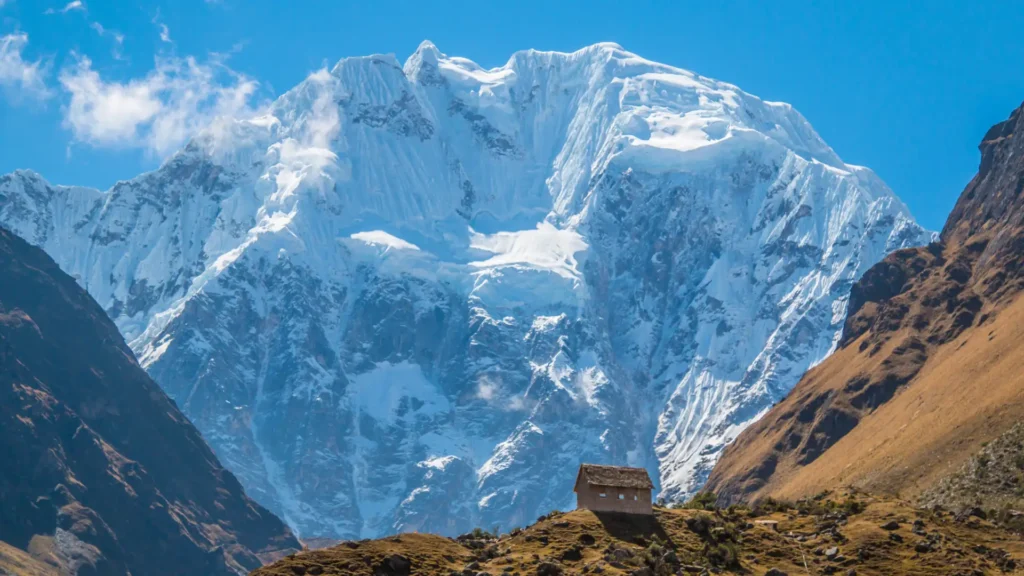
In the heart of the high altitude landscapes, the mountains are not simply inert geographical formations. In the ancestral worldview, the Andean sacred mountains, known as Apus, are tutelary spirits and living entities that govern the destiny of human beings, fertility, and the climate. They are believed to possess camaquen, a transcendental force or vital energy that animates nature and everything in existence, creating a bridge between the physical and spiritual worlds.
These majestic peaks act as a direct channel of communication with the divine by rising from the Kay Pacha (the world of men) toward the Hanan Pacha (the world of gods) and rooting themselves in the Uku Pacha (the underworld). For us at Machupicchu Mountain Tours, understanding this connection is essential for anyone walking the trails of Peru. It transforms a simple trek into a profound pilgrimage where every step is a dialogue with the ancient guardians of the land.
The cult and rituals toward these deities are structured around the preservation of balance and respect for the natural order. From the highest glaciers to the deep valleys, the presence of the Apus dictates the rhythm of life for the local communities. By exploring the history of these Andean sacred mountains, travelers can begin to see the landscape not just as scenery, but as a living temple that has been worshipped for thousands of years.
1. Reciprocity and the Ritual of Pago a la Tierra
The worship of the Andean sacred mountains is fundamentally based on the principle of reciprocity, known as Ayni. Since the mountains provide water and the essential resources for life, communities have a sacred obligation to return that energy and maintain cosmic equilibrium. This is achieved through the “Pago a la Tierra” or “Despacho” ritual, a ceremony of gratitude that has remained virtually unchanged since the time of the Incas.
While these offerings can happen at any time, the month of August is the central moment for these rituals because it is believed that the earth is “hungry” and ready to receive. These ceremonies are directed exclusively by religious specialists such as paq’os, alto misayoq, or shamans, who act as intermediaries. They offer elements of great symbolic power, including the k’intu (sacred coca leaves), chicha, seeds, sweets, and llama fat, which are carefully prepared to be delivered to the spirit world.
During the ritual, the offerings are either burned or buried so that the message of gratitude reaches the spiritual realm of the Andean sacred mountains. This act of giving back ensures that the mountains remain benevolent, providing protection for the people and their animals. For the modern traveler, witnessing or participating in a “Pago a la Tierra” is a powerful reminder of the deep, reciprocal bond that exists between humanity and the environment in the high Andes.
2. Water Control and Fertility Rituals
The Andean sacred mountains, especially massive snow-capped peaks like Ausangate or Salkantay, are conceived as the universal administrators of water. In this worldview, water is considered the “blood” of the mountains, flowing down to sustain all forms of life in the valleys below. Consequently, much of the ritual calendar is intimately linked to the cycles of agriculture and the health of the livestock that roam the high plateaus.
One of the most significant rites is the señalakuy, or the marking of the cattle, which typically takes place during the carnival season. During this celebration, the mating of animals is symbolically imitated to encourage their multiplication and ensure the prosperity of the herd. Local people use corn flour and toasted kiwicha to represent snow and hail, creating a magical shield to protect their animals from the harsh weather dictated by the mountain spirits.
These fertility rituals demonstrate how the Andean sacred mountains are perceived as active participants in the economy and survival of the region. The relationship is one of constant negotiation, where rituals are performed to ensure that the “blood” of the mountain continues to flow and that the climate remains favorable. Understanding this aspect of Andean life allows visitors to appreciate the practical and spiritual importance of every stream and glacier they encounter.
3. Syncretism and the Resurgence of Mystical Tourism
Following the Spanish conquest, the worship of the Andean sacred mountains did not disappear; instead, it camouflaged itself through a profound syncretism with Christianity. A primary example of this fusion is the festival of the Lord of Qoyllur Rit’i, celebrated on the freezing slopes of Apu Ausangate. Here, tens of thousands of pilgrims worship an image of Christ while simultaneously paying millennia-old tribute to the sacred glaciers that surround them.
In this event, the ukukus (dancers representing the Andean bear) act as sacred mediators who ascend the high peaks to collect blocks of ice. They descend with this frozen treasure, symbolizing the divine distribution of water to the human world to bless the upcoming harvests. This blending of traditions shows the incredible resilience of Andean culture and its ability to keep its deepest beliefs alive within a changing religious landscape.
Today, the respect for these Andean sacred mountains has expanded globally through mystical and experiential tourism. Many travelers now participate in ceremonies asking for permission from the mountains before entering sacred territories or starting a trek. Practices like Andean Weddings allow couples to receive the direct blessing of the Pachamama and the Apus, proving that the ancient rituality of the mountains remains a vibrant and essential part of the modern world.
Conclusion: Connecting with the Ancient Guardians
The Andean sacred mountains stand as indelible testaments to a civilization that understood its place within a living, breathing cosmos. They are more than just destinations for adventure; they are the invisible architects of a culture that continues to thrive on the principles of balance and respect. By acknowledging the spiritual power of these peaks, we honor a heritage that has survived the passing of empires and the challenges of the modern age.
At Machupicchu Mountain Tours, we are dedicated to ensuring that every journey through these landscapes is conducted with the reverence the Apus deserve. We believe that by traveling with purpose and respect, our guests can experience a transformation that goes beyond the physical challenge of the hike. The energy of the Andes is waiting to be discovered by those who walk with an open heart and a respectful spirit.
Are you ready to experience the profound energy of the Andean sacred mountains and discover your own connection to the ancient spirits of Peru? Whether through a ritual offering or a challenging trek, the mountains are ready to share their wisdom with you. Contact us to begin your spiritual journey and let the guardians of the Andes guide your next great adventure.