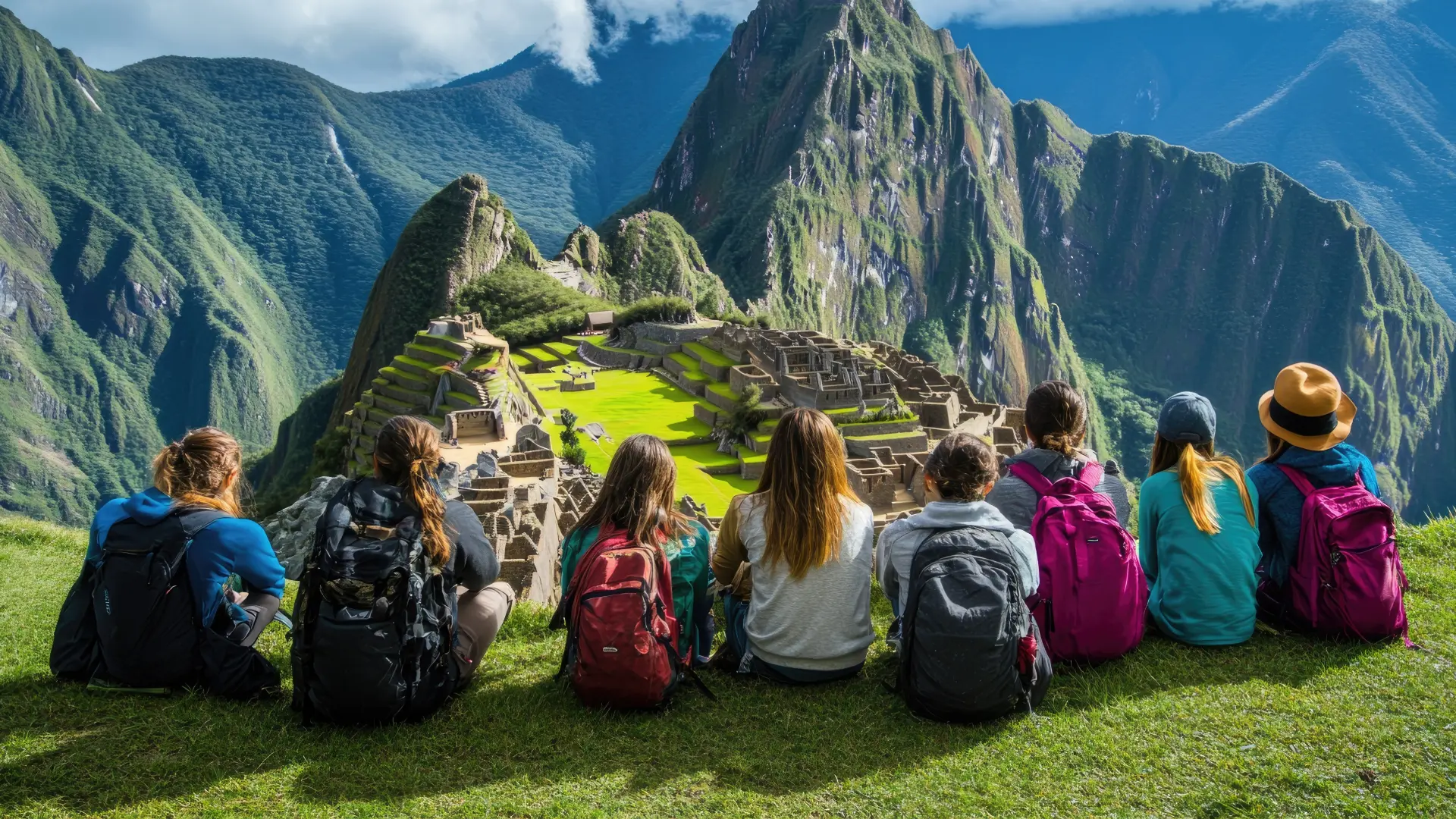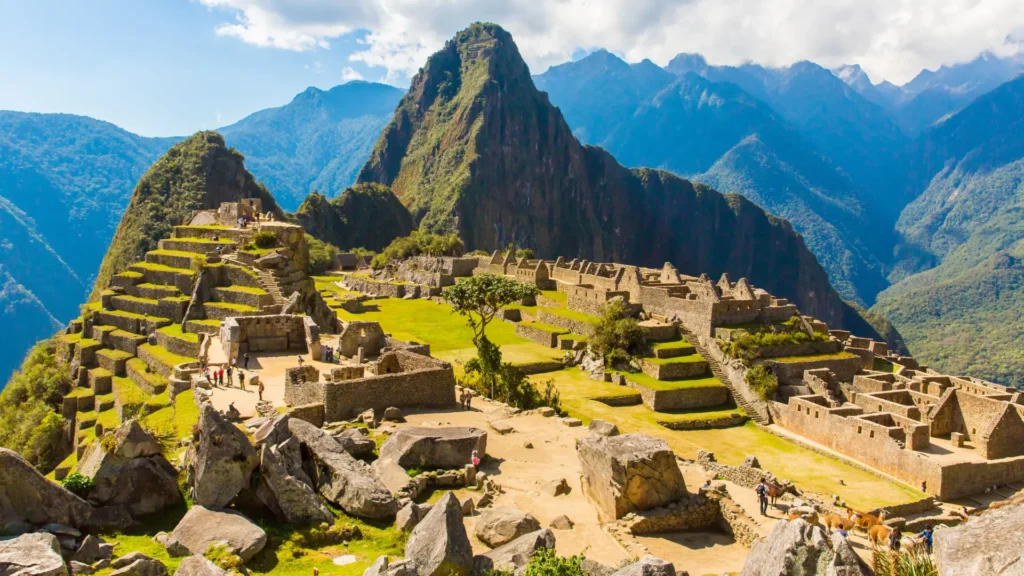
Embarking on a 2 day Machu Picchu tour is the most efficient way to witness the majesty of the Inca Empire while exploring the Andes. Choosing this specific timeframe provides the perfect balance between adventure and comfort for any traveler. Experts specifically designed this itinerary for those who wish to soak in the beauty of the region without committing to a week-long expedition. Consequently, it has become one of the most popular choices for modern explorers seeking a profound connection with history.
Why Choose a 2 Day Machu Picchu Tour for Your Adventure?
Many visitors wonder if forty-eight hours is enough to truly appreciate the “Lost City of the Incas.” The answer is a resounding yes, especially when experts handle the logistics for your 2 day Machu Picchu tour. By selecting this timeframe, you ensure a focused experience that highlights the most iconic landmarks of the region.
The benefits of a 2 day Machu Picchu tour trek
Embarking on a shorter journey does not mean you miss out on the magic of the cloud forest. On the contrary, a condensed trek allows you to maintain high energy levels for the main event: the citadel itself. Therefore, you can enjoy the lush landscapes and ancient paths while avoiding the physical exhaustion that travelers often associate with longer routes.
Why this Machu Picchu trip suits busy schedules
If your holiday schedule is tight, efficiency becomes your best ally. This specific tour format is ideal because it integrates seamless train departures and organized guided visits. Furthermore, it eliminates the need for extensive camping, allowing you to rest in comfortable accommodations before your early morning ascent.
Maximizing your time at the Sanctuary
One of the greatest advantages of this plan is the strategic timing. Most day-trippers arrive at the ruins simultaneously, creating large crowds that can hinder your experience. In contrast, a well-planned two-day itinerary often puts you at the gates just as the sun begins to hit the stone structures. Besides the visual spectacle, this early access provides a much quieter atmosphere for reflection and photography.
“The experience of seeing the mist rise over the granite peaks is something that stays with you forever,” as many seasoned guides often remark. By prioritizing quality over duration, you ensure that you make every minute spent in the sanctuary meaningful and deeply immersive.
When was Machu Picchu Discovered? Unveiling the Hidden History.
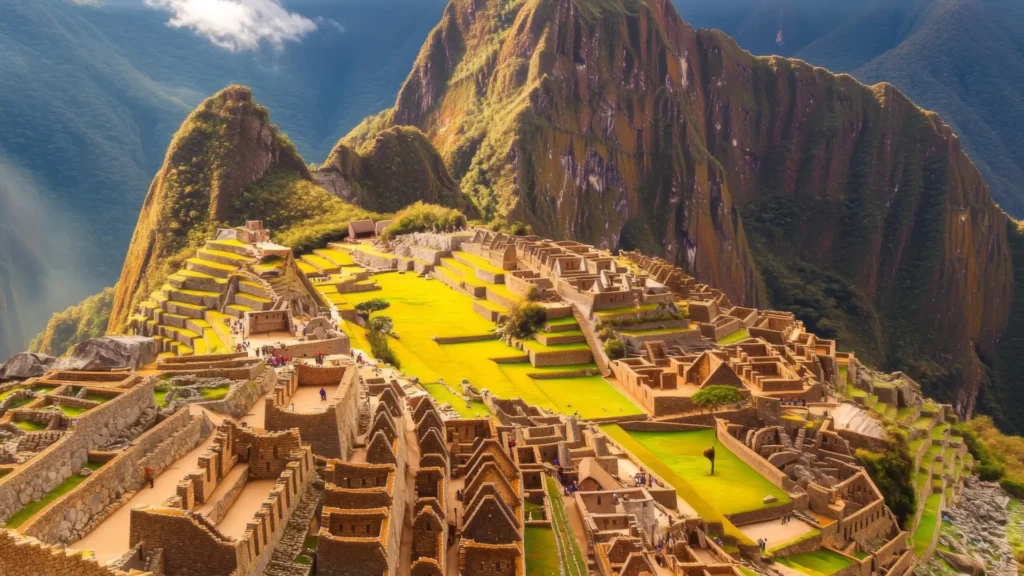
A fundamental part of any 2 day Machu Picchu tour is understanding the origins of this archaeological wonder. To answer the question of when Machu Picchu was discovered, we must look back to July 24, 1911. On this date, the American explorer Hiram Bingham arrived at the site, effectively introducing it to the global academic community. However, the story is far more nuanced than a simple accidental finding.
The 1911 expedition by Hiram Bingham
Hiram Bingham, a Yale professor, was actually searching for the “Lost City of the Incas,” known as Vilcabamba. Guided by local farmers, he climbed the steep slopes of the mountain and stumbled upon the terraces of the citadel. Although he initially misidentified the site, his meticulous documentation and photographs for National Geographic turned the world’s eyes toward Peru. As a result, the 1911 expedition transformed the location from a local secret into a global treasure.
The “Scientific Discovery” vs. local knowledge
It is crucial to note that while scholars credit Bingham with the “scientific discovery,” the locals never truly lost the site. In fact, several indigenous families were living and farming on the terraces when Bingham arrived. Additionally, some records suggest that explorers like Agustín Lizárraga had reached the ruins years earlier. Therefore, it is more accurate to say that 1911 marked the moment the Western world learned about Machu Picchu, rather than its absolute first sighting.
Why it remained a secret from the Spanish conquistadors
One of the most fascinating aspects of this sanctuary is that the Spanish invaders never found it during the 16th century. This occurred primarily because of its strategic geographic isolation. Hidden between the Vilcabamba and Urubamba mountain ranges, the dense cloud forest naturally camouflaged the citadel. Because the Incas burned the trails leading to the site as they abandoned it, the conquistadors failed to locate and destroy this sacred architectural masterpiece.
How to Prepare for the Best 2 Day Machu Picchu Tour Experience.
Proper planning is the cornerstone of any successful trip to the Peruvian Highlands. When organizing your 2 day Machu Picchu tour, you must consider various factors ranging from physical readiness to documentation. Since the high-altitude environment can be unpredictable, being well-prepared ensures that you can focus entirely on the breathtaking scenery.
Essential gear for your 2 day Machu Picchu tour
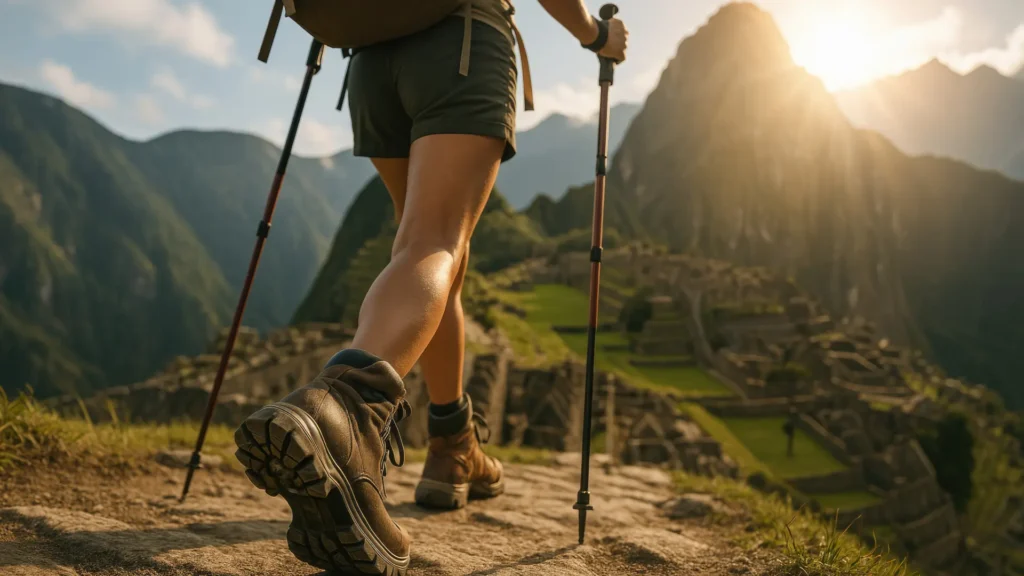
Packing light is essential, yet you must include specific items to stay comfortable. You should prioritize a sturdy pair of hiking boots with good ankle support, as the stone steps can be slippery. In addition, carrying a high-quality waterproof jacket is vital because rain showers often occur even during the dry season. Moreover, do not forget to bring a refillable water bottle and high-SPF sunscreen to protect yourself from the intense Andean sun.
Understanding the logistics: Trains, buses, and entries
Navigating the transport system requires attention to detail. Most tours begin with a scenic train ride from Ollantaytambo to Aguas Calientes, which offers stunning views of the Urubamba River. Upon arrival, you will need to coordinate the bus ascent to the entrance of the park. It is important to remember that authorities sell entry tickets for specific time slots. Consequently, punctuality is mandatory if you want to enter the archaeological site.
Navigating the different circuits within the ruins
In recent years, the Ministry of Culture has implemented specific walking circuits to preserve the integrity of the ruins. Before starting your tour, you should discuss with your guide which path best suits your interests. Some routes focus on the upper terraces for classic views, while others take you deep into the urban sector to see the temples. By understanding these limitations beforehand, you can better manage your expectations and movement within the sanctuary.
In conclusion, a two-day journey offers an unparalleled opportunity to witness one of the world’s most significant historical sites. By preparing correctly and understanding the rich history behind its discovery, you are set for an unforgettable Andean experience.