
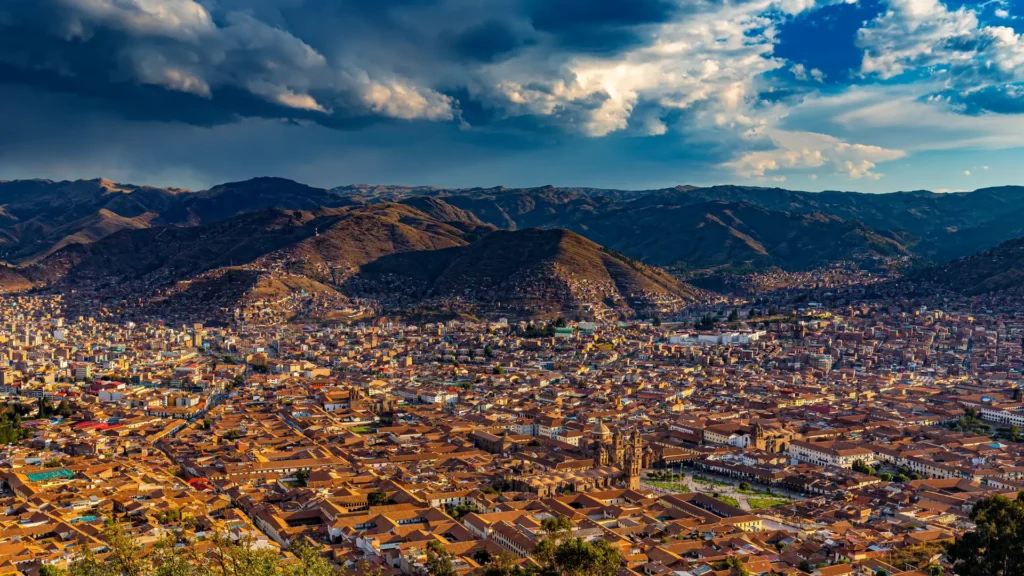
Achieving a proper Cusco acclimatization is the most critical step for any traveler visiting the Peruvian Andes. While traveling to the heart of the Inca Empire is a dream for many, the thin mountain air can be a formidable challenge if you are unprepared. Consequently, this guide will help you navigate the heights effectively and safely, ensuring your body adjusts to the elevation without setbacks.
What is Cusco Acclimatization and Why is it Essential?
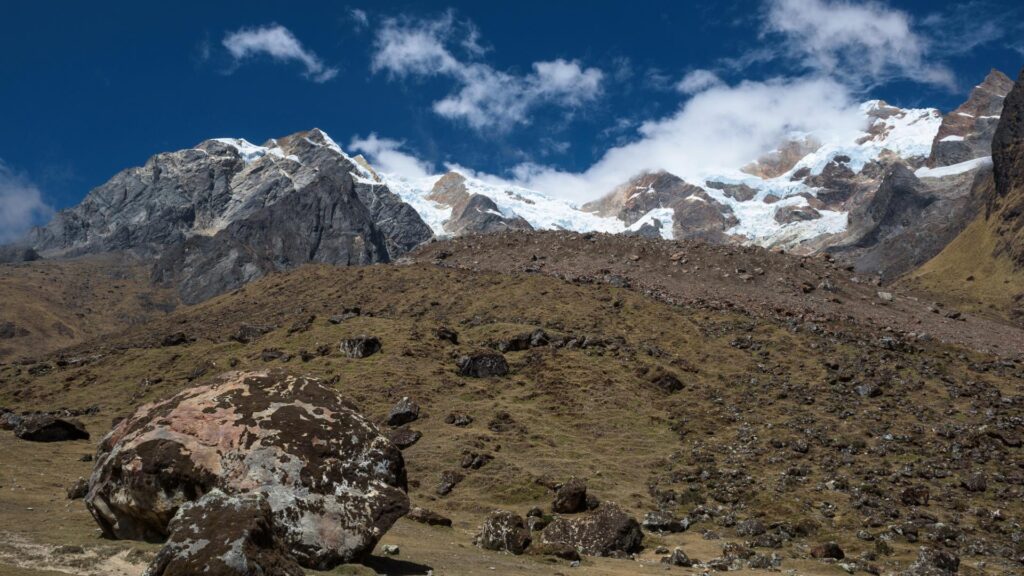
Cusco sits at an elevation of approximately 3,400 meters (11,152 feet) above sea level. In this environment, the air pressure is significantly lower than at sea level, meaning there is less oxygen available for your lungs. Cusco acclimatization is the vital biological process where your body adapts to these lower oxygen levels over several days.
Without a proper adjustment period, many travelers experience discomfort that can range from mild headaches to severe physical exhaustion. Therefore, prioritizing this transition is not just a suggestion; it is a necessity for anyone planning to visit Machu Picchu or embark on high-altitude treks.
Understanding Altitude Sickness and the Need for Cusco Acclimatization
In the Andes, locals refer to altitude sickness as “Soroche.” This condition occurs when your body cannot get enough oxygen quickly enough to maintain normal functions. Common symptoms include dizziness, nausea, loss of appetite, and insomnia.
However, it is important to remember that altitude sickness can affect anyone, regardless of age or physical fitness. In fact, “the mountain does not care how many marathons you have run,” as local guides often say. By allowing sufficient time for Cusco acclimatization, you significantly reduce the risk of these symptoms ruining your adventure.
The Science Behind High-Altitude Acclimatization
When you arrive in a high-altitude environment, your body immediately begins to compensate for the lack of oxygen. Initially, your breathing rate increases to bring in more air. Furthermore, your heart beats faster to circulate that oxygen to your vital organs as quickly as possible.
In the long term, your kidneys produce a hormone called erythropoietin, which stimulates the production of more red blood cells. These cells are responsible for carrying oxygen throughout your system. Because this complex biological shift takes time, rushing your itinerary is the most common mistake travelers make. In addition, staying hydrated is crucial for altitude adjustment, as the dry mountain air leads to faster fluid loss.
How Long Does Cusco Acclimatization Take in the Peruvian Andes?
One of the most frequent questions travelers ask is: how long does acclimatization take? While every individual is different, there are general medical guidelines that help us understand the timeline for a safe journey. Generally speaking, your body starts making significant adjustments within the first 24 to 48 hours of your arrival.
How Many Days to Acclimate in Cusco Before Trekking?
If you are planning a challenging hike like the Inca Trail, you might wonder how many days to acclimate in Cusco are truly necessary. Most experts and tour operators recommend a minimum of 2 to 3 days of rest before starting any strenuous physical activity.
During these first 48 hours, you should limit your movement to gentle walks around the historical center. By doing so, you allow your heart and lungs to stabilize without the added stress of uphill climbing. If you skip this window, you significantly increase the probability of developing severe symptoms once you reach higher mountain passes.
How Long Does Cold Acclimatization Take in the Mountains?
Altitude is not the only factor; the freezing temperatures also play a major role in your physical state. Many people ask, how long does cold acclimatization take when dealing with the chilly nights of the Andes?
In reality, your metabolic rate increases to generate more heat, which requires even more oxygen. Typically, it takes about 3 to 5 nights for your sleep patterns to normalize in a cold, high-altitude climate. For this reason, we suggest using high-quality thermal layers and drinking warm infusions like “Muña tea” to support your body’s thermoregulation.
Factors Influencing Your Cusco Acclimatization Recovery Time
It is essential to recognize that several variables can speed up or slow down your progress. For example, your hydration levels are a primary factor; water helps blood viscosity, making oxygen transport more efficient.
In addition, your previous experience with high elevations can sometimes help your body “remember” how to adapt. However, even seasoned hikers can be caught off guard. Therefore, you should always listen to your body and avoid alcohol or heavy meals during your first few days in the city to support your Cusco acclimatization process.
The Definitive Timeline for Your Cusco Acclimatization Strategy
Success in the Andes depends largely on how you structure your first few days. Instead of flying directly into the highest peaks, many travelers find success by following a “climb high, sleep low” philosophy. This strategic approach ensures that Cusco acclimatization happens gradually and comfortably.
Why Your First 24 Hours of Altitude Acclimatization are Critical
When you first touch down at the airport, your body is in a state of mild shock due to the sudden drop in oxygen. Consequently, your behavior during the first 24 hours will dictate the quality of the rest of your trip.
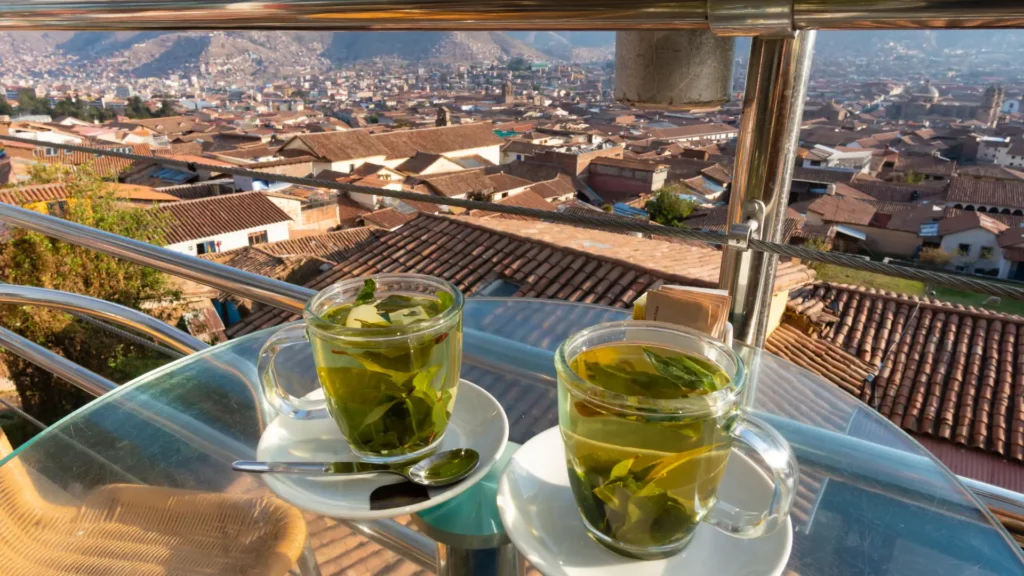
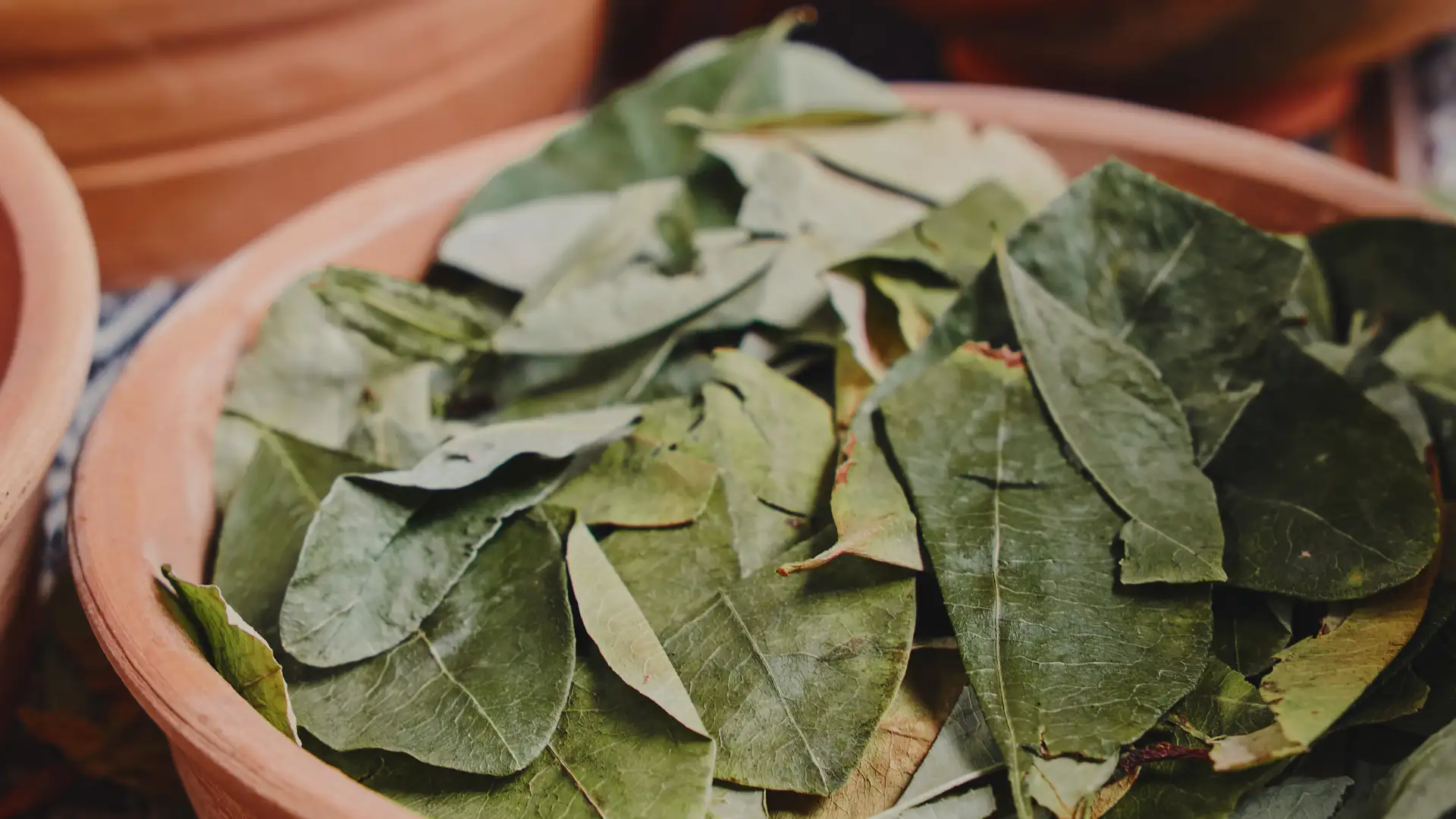
We strongly advise that you go straight to your hotel and rest for at least four hours. Moreover, you should avoid heavy physical activity and stick to light, carb-rich meals. Traditional remedies like “Coca tea” are highly effective because they contain natural alkaloids that help improve blood flow and oxygen absorption during altitude adjustment.
Transitioning from the Sacred Valley for Better Cusco Acclimatization
An excellent strategy to manage your timeline is to spend your first two nights in the Sacred Valley. This region, which includes towns like Pisac and Ollantaytambo, is about 500 meters lower than the city itself.
By staying at a lower elevation initially, you give your body a “head start” in the adjustment process. Afterward, moving back up to the city will feel much easier. This transition is especially beneficial for families or those who are particularly sensitive to pressure changes.

One response to “How to Master Cusco Acclimatization: The Complete Guide”
[…] this Cusco acclimatization period, you should stay hydrated and eat light meals. Many travelers find that drinking traditional […]