

You have saved for years and want the best time to visit Machu Picchu before you book a single flight. Then you read that the site disappears into fog for weeks, or that July feels like a theme park queue. Pick the wrong month and you pay premium prices to photograph a wall of cloud.
That risk is real, and it is avoidable. At Machupicchu Mountain Tours we are a locally owned operator based in Cusco, and we watch these seasons change every year. This guide shows you how to match the calendar to your priorities: dry skies, thinner crowds, trek access or lower prices.
The Best Time to Visit Machu Picchu Depends on Two Seasons
Machu Picchu has only two seasons that matter: dry and wet. Everything else is a shoulder between them. Knowing the split lets you choose with confidence.
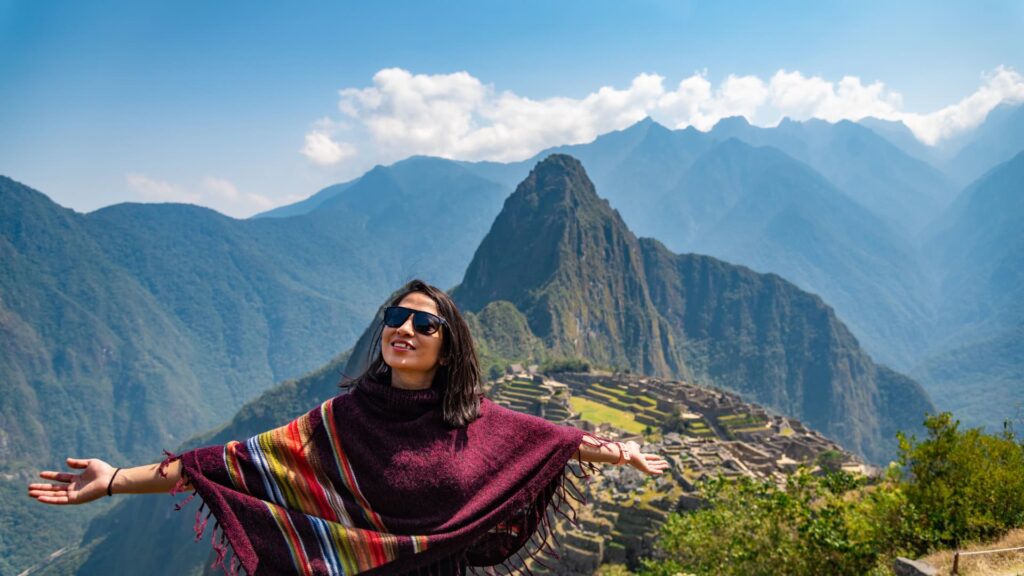
Dry Season: May to September
The dry season brings the clearest skies and the most reliable views. Days are bright and mornings are crisp, so your photos from the Sun Gate and the main terraces come out sharp.
- Best for: clear photos, trekking, first-time visitors
- Watch out for: peak crowds in June, July and August, and cold nights in Cusco
- Book ahead: entrance tickets, trains and trek permits sell out early
Wet Season: November to March
The wet season runs from November to March. Most of the year’s rain falls in these months, and afternoon downpours are common. Clouds can hide the citadel for part of the day. The Machu Picchu rainy season is the main reason travelers hesitate, yet it also brings the quietest weeks of the year.
- Best for: fewer visitors, greener scenery, easier availability
- Watch out for: muddy trails and possible landslide delays on the rail line
- Pack for it: a real rain jacket, quick-dry layers and a pack cover
Shoulder Months: April and October
April and October sit between the seasons. You get fewer people than in July and a fair chance of sunshine. For many travelers, these are the smartest compromise.
Month-by-Month: The Best Month to Visit Machu Picchu
Use this table to match each month to your machu picchu best time to travel priorities. The ratings are general patterns, not guarantees, because mountain weather can surprise anyone.
| Month | Weather | Crowds | Our take |
|---|---|---|---|
| January | Wet, frequent rain | Low | Green and quiet, but expect cloud |
| February | Wettest month | Low | Inca Trail closed for maintenance |
| March | Wet, easing late | Low to medium | Good value if you accept some rain |
| April | Drying out | Medium | Strong shoulder choice |
| May | Mostly dry | Medium | One of the best months overall |
| June | Dry and cold nights | High | Clear views, book early |
| July | Dry, coldest nights | Very high | Peak season, plan well ahead |
| August | Dry | Very high | Peak crowds, excellent skies |
| September | Dry | High | Great weather, crowds easing |
| October | Mixed | Medium | Good shoulder, showers begin |
| November | Wet begins | Low to medium | Quiet, variable weather |
| December | Wet | Medium | Holiday demand, rain likely |
The Best Month to Visit Machu Picchu for Most Travelers
If you want one answer, choose May. The rains have faded, the landscape is still green and the busiest weeks have not started. September is a close second for the same reasons.
The Best Month for a Bargain
If budget matters more than clear skies, target the quiet wet-season weeks outside the holidays. Availability is easier, and you can still enjoy the site with fewer people around you.
Why the Weather Shifts So Fast
Machu Picchu sits at about 2,430 m (7,970 ft) on the edge of the Amazon basin. Moist air from the jungle rises against the mountains, cools and forms cloud. That is why the site can look clear at sunrise and misty by noon, even in the dry season. Cusco, at roughly 3,400 m (11,150 ft), is much colder at night, so you should pack for two different climates in one trip.
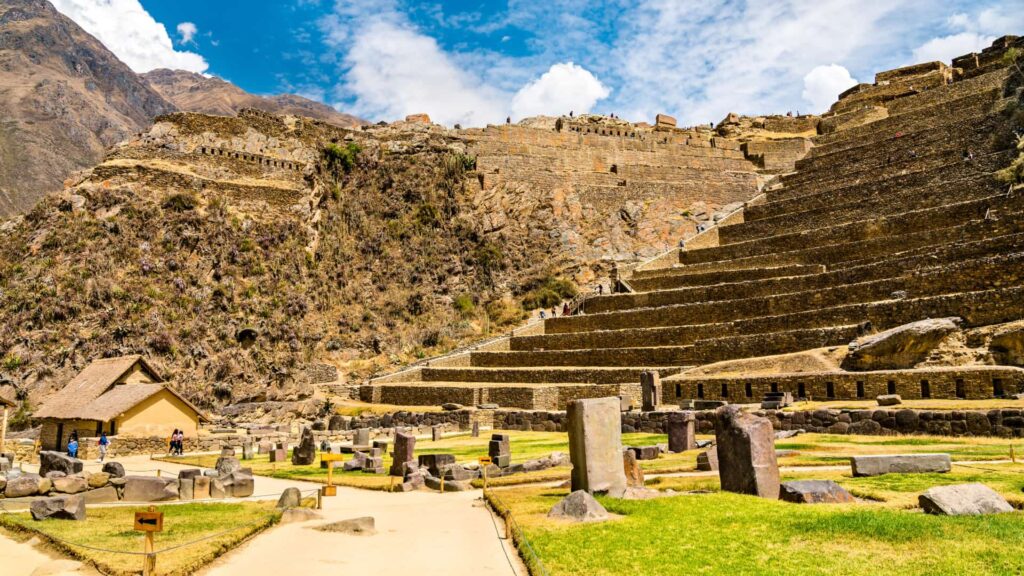
Match Your Season to Your Travel Style
The best season to visit Machu Picchu depends on what you value most. Decide your priority first, then use it to find the best time to visit Machu Picchu for you.
If You Want Clear Views and Great Photos
Go between May and September. Aim for the early morning entry slot, when light is soft and the site is calmer. Our Machu Picchu 1-day tour by train from Cusco works well for travelers with limited time.
If You Want to Avoid Crowds
Choose April, early May, late September or October. Within any month, midweek visits feel calmer than weekends. Reserve the first entry time and walk the less busy circuits first.
If You Want to Hike the Inca Trail
The classic trek needs a permit, and permits sell out months before the dry season. The trail closes every February for maintenance. Read our guide to the Inca Trail 4 days and book as early as your dates allow. If you have less time, the Inca Trail 2 days reaches the same Sun Gate.
If You Want to Sleep Near the Citadel
A two-day plan lets you enter Machu Picchu fresh in the morning instead of rushing from a day trip. See our Machu Picchu 2-day tour for a relaxed schedule. For help choosing a base, read our post on Machu Picchu hotels and accommodations.
How to Plan Around the Season
Once you know the best time to visit Machu Picchu for your trip, the logistics decide whether it feels smooth or stressful. A little planning protects you from the two biggest problems: sold-out dates and altitude.
Book in This Order
- Machu Picchu entrance tickets: these are timed and limited, so they sell out first.
- Train tickets: seats vanish in the dry season.
- Inca Trail or trek permit: needed months ahead for the classic route.
- Hotels in Cusco and Aguas Calientes: book once your entry date is fixed.
Special Dates That Change Crowds and Prices
Some dates pull extra visitors into Cusco, so check them before you lock in a month.
- Late June: the Inti Raymi festival in Cusco fills hotels and tours.
- Late July: Peruvian Independence holidays bring many domestic travelers.
- Holy Week: the days before Easter are busy across the region.
If your dates overlap these events, book your entry ticket, train and hotels even earlier. Pick midweek days to keep the experience calm.
Respect the Altitude Before You Go Up
Cusco sits near 3,400 m, and many visitors feel it on arrival. Spend at least two days in Cusco or the lower Sacred Valley before any big hike. Our guides on Cusco elevation and Cusco acclimatization explain how to adapt safely.
Go Deeper by Month and Topic
If you already know your dates, read the month guides for Machu Picchu in November and Machu Picchu in March. Before you travel, confirm whether Machu Picchu is open and learn which Machu Picchu animals you may see.
Compare Two Ways to Go
| Point | Typical large-group tour | Machupicchu Mountain Tours |
|---|---|---|
| Group size | Large, fixed schedule | Small groups, flexible pace |
| Guides | Often rushed, one language | Expert bilingual guides |
| Altitude care | Little guidance | Altitude-aware planning and support |
| Logistics | You sort out gaps | Transport, tickets and meals handled on most tours |
| Weather changes | Few options | Local team adjusts timing on the day |
Local knowledge matters most when clouds roll in. A guide who knows the site can reorder your circuit so you catch the view when it opens up. For the full planning picture, return to our Machu Picchu travel guide and see what to do at Machu Picchu.
Frequently Asked Questions (FAQ)
What is the single best month to visit Machu Picchu?
May is the best all-round month. The rains have mostly ended, scenery is green and crowds are lower than in July and August.
- Skies are usually clear in the morning.
- Trains and tickets are easier than in peak weeks.
- Nights in Cusco are cold but not at their coldest.
Book your entry time at least two months ahead.
Can I visit Machu Picchu in the rainy season?
Yes. The site stays open all year, and the wet season rewards you with fewer people and green terraces.
- Expect afternoon showers and cloud.
- Pack a waterproof jacket and spare socks.
- Allow extra time in case of rail delays.
Aim for a morning entry, when rain is less likely.
Is February really the worst month?
February is the wettest month, and the classic Inca Trail closes for maintenance. Machu Picchu itself remains open.
- Rain is frequent and heavy.
- The Inca Trail is not available.
- Crowds are among the lowest of the year.
Choose a train-based visit instead of a trek in February.
When are the crowds at their worst?
June, July and August are the busiest months, with the strongest pressure on tickets and trains.
- Entry slots fill weeks ahead.
- Midday is the busiest time on the terraces.
- Weekends feel more crowded than weekdays.
Take the first entry slot to enjoy the quiet hours.
How cold does it get in Cusco in the dry season?
Days are sunny, but nights can drop near freezing in June and July because Cusco is above 3,000 m.
- Pack a warm jacket, hat and gloves.
- Hotels may have limited heating.
- Machu Picchu itself is milder than Cusco.
Layer clothing so you can adjust through the day.
Is April or October better as a shoulder month?
Both work. April follows the rains and looks green, while October brings milder crowds with showers starting.
- April often has more settled weather.
- October can see quicker weather changes.
- Both have lower prices than peak months.
Keep one flexible day in your plan for weather.
How far ahead should I book Machu Picchu tickets?
Book as soon as your dates are firm, especially for May through September.
- Tickets are timed and limited each day.
- Entry names must match your passport.
- Trains also sell out in high season.
Lock in tickets before you book flexible hotels.
Can altitude ruin my trip, even in the best season?
Altitude affects people in every month. Season does not change how high Cusco is.
- Arrive in Cusco at least two days before a hike.
- Drink water often and eat light meals the first day.
- Tell your guide right away if you feel unwell.
Rest on day one; do not rush to a big trek.
What should I pack for variable weather?
Pack for sun, rain and cold in the same day, since the Andes change fast.
- A light rain jacket and a warm fleece.
- Sun protection and a hat.
- Comfortable closed shoes with good grip.
Use layers and a small daypack to stay flexible.
Is it worth going with a guide in the wet season?
A guide helps most when weather is unpredictable. They know where to stand and when clouds usually lift.
- Guides adapt your circuit to the weather.
- They explain the site when views are limited.
- They help with logistics if trains are delayed.
Ask your guide for the best viewpoint once the clouds clear.
