Your long-awaited private holiday to the Andes is booked. You have selected your five-star boutique hotel, arranged your flight, and packed your premium gear. Yet, a silent anxiety remains at the back of your mind.
You keep asking yourself exactly how high is cusco above sea level and whether the thin air will ruin your exclusive experience.
It is a valid worry for any premium traveler. There is nothing worse than investing thousands of dollars in a luxury vacation only to spend your first forty-eight hours confined to a hotel room, fighting a severe headache and nausea while generic tour agencies push you into crowded, low-quality sightseeing buses.
You deserve an seamless arrival where your health is protected and your schedule is respected.
This insider guide gives you the precise facts about the cusco elevation so you can outsmart the altitude. You will discover exactly how to prepare your body, schedule your itinerary like an expert, and explore the ancient capital through an intimate, high-end perspective that keeps your comfort completely untouched.
Understanding the True Cusco Elevation Metrics
To navigate your arrival perfectly, you need to look at the exact numbers rather than vague descriptions. The official cusco elevation stands at 3,400 meters above sea level, which translates to exactly 11,152 feet.
This altitude places the historic Incan capital significantly higher than most major mountain resorts across North America and Europe.
When you step off the plane at the Alejandro Velasco Astete International Airport, your body immediately encounters about one-third less oxygen compared to sea level. This sudden shift forces your heart and lungs to work harder to oxygenate your bloodstream.
Understanding this reality allows you to make informed decisions regarding your daily schedule instead of pushing your physical limits too early.
VALUE TABLE: Regional Altitude Comparison
| Historic Site or Town | Elevation (Meters) | Elevation (Feet) | Altitude Risk Level |
| Lima (Arrival Point) | 0 m | 0 ft | None |
| Urubamba (Sacred Valley) | 2,870 m | 9,416 ft | Mild |
| Cusco City | 3,400 m | 11,152 ft | Moderate to High |
| Machu Picchu Citadel | 2,430 m | 7,972 ft | Low |
Many standard travel agencies mistakenly tell clients to tour the city center on their very first afternoon. As an expert, I advise you to completely avoid heavy walking during your initial six hours. Instead, check into your premium hotel, request a fresh cup of local coca leaf tea, and let your metabolism settle quietly. Your safety and comfort must always come first.
Strategic Itinerary Planning Around the Cusco Elevation
Acclimatization is not about luck; it is a science that requires a deliberate strategy. To keep your holiday flawless, your first days should focus on low-exertion exploration. This allows your respiratory system to adapt to the cusco elevation without the risk of physical exhaustion.
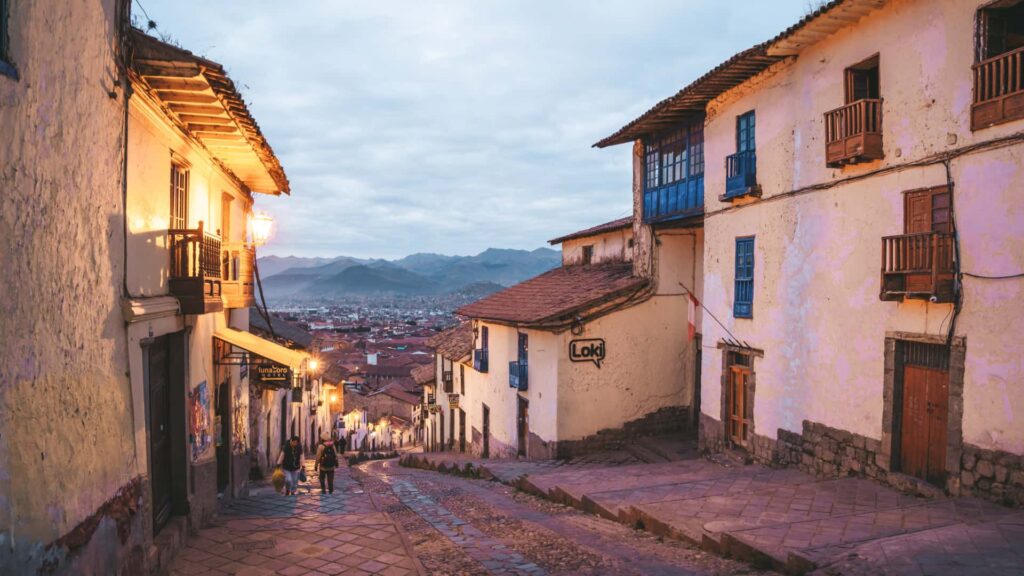
Instead of tackling steep mountain passes immediately, wise travelers choose curated urban exploration. Walking slowly through historic stone streets helps your body adjust to the how high is cusco above sea level metrics while you discover ancient architecture.
A private excursion allows you to control the speed of your walk completely. You can pause whenever you need a moment to rest, ensuring your heart rate stays stable and your energy levels remain high.
Booking a private experience guarantees that an expert guide monitors your well-being. This specialized care ensures you do not overexert your body while exploring magnificent colonial plazas and historic temples.
To maximize your comfort during these initial days, you can easily secure your spot on our personalized Cusco City Tour – Half Day. This curated excursion provides a relaxed introduction to the ancient capital, keeping your physical effort minimal while your historical discovery remains elite.