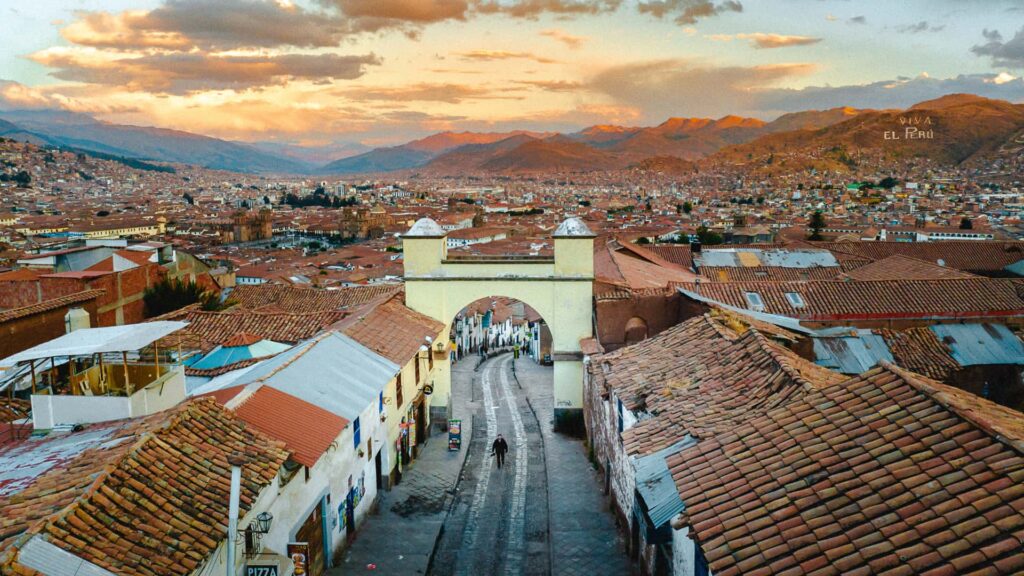
Discover the enchanting city of Cusco, nestled high in the Peruvian Andes, where every winding cobblestone street whispers ancient tales of the mighty Inca Empire. It is a place where magnificent Spanish colonial architecture stands directly atop grand Inca foundations, and vibrant, living cultures collide in a breathtaking tapestry of history.
The Rich History of Cusco: From Inca Origins to Colonial Times
Cusco, the historic capital of the Inca Empire, is a city steeped in rich history and cultural significance. Founded in the early 13th century, Cusco rose to prominence under the leadership of the Inca Pachacuti, who transformed it from a modest village into a sprawling urban center. The city was meticulously planned, with its streets and buildings arranged to reflect the constellation of the Southern Cross, underscoring the Incas’ profound connection to astronomy.
The grandeur of the Inca civilization is still palpable in Cusco, where ruins of ancient temples and palaces stand as silent witnesses to a bygone era. The city’s most renowned archaeological site, Sacsayhuamán, showcases the incredible architectural prowess of the Incas. This massive fortress, constructed with immense stone blocks, was designed to protect Cusco from invaders and served as a ceremonial center. Each stone was carved with such precision that they fit together perfectly without the use of mortar, a testament to the advanced engineering skills of the Incas.
With the arrival of Spanish conquistadors in the 16th century, Cusco underwent a dramatic transformation. The Spanish sought to assert their dominance by constructing colonial buildings atop the ruins of Inca structures, leading to a unique architectural blend that defines Cusco today. Churches, monasteries, and mansions were built using stones from Inca temples, symbolizing the fusion of two distinct cultures. Despite the imposition of colonial rule, the spirit of the Inca civilization endured, woven into the very fabric of Cusco’s identity.
Cultural Significance of Cusco: A Blend of Ancient and Modern Traditions
Cusco is a living museum where ancient traditions seamlessly blend with modern customs, creating a vibrant cultural mosaic. The city’s significance extends beyond its historical monuments; it is a place where the legacy of the Incas is preserved through rituals, festivals, and daily life. Cusco’s inhabitants, many of whom are descendants of the Incas, take great pride in their heritage and continue to practice age-old customs that have been passed down through generations.
One of the most notable aspects of Cusco’s cultural heritage is its festivals, which are celebrated with great fervor and devotion. Inti Raymi, the Festival of the Sun, is the most important Inca festival, held annually on June 24th to honor the Sun God, Inti. Thousands of locals and tourists gather at the ruins of Sacsayhuamán to witness a reenactment of the ancient ceremony, complete with colorful costumes, traditional music, and elaborate rituals. This festival is a vivid reminder of the city’s enduring connection to its Inca roots.
In addition to festivals, Cusco’s cultural landscape is enriched by its vibrant arts scene. Traditional Andean music, characterized by the haunting melodies of the pan flute and charango, can be heard echoing through the streets. Artisans in Cusco continue to produce exquisite textiles, pottery, and jewelry, using techniques that have remained unchanged for centuries. These crafts not only provide a source of livelihood for many but also serve as a means of preserving and celebrating the city’s cultural heritage.
Must-Visit Historical Sites in Cusco: Sacsayhuamán, Qorikancha, and More
No visit to Cusco is complete without exploring its remarkable historical sites, each offering a glimpse into the city’s storied past. Sacsayhuamán, a marvel of Inca engineering, is a must-see. The sheer scale of this fortress, with its massive stone walls and panoramic views of Cusco, is awe-inspiring. It is believed that Sacsayhuamán was not only a military stronghold but also a ceremonial center, reflecting the dual nature of many Inca structures.
Another iconic site is Qorikancha, the Temple of the Sun, which was once the most important temple in the Inca Empire. Dedicated to Inti, the Sun God, Qorikancha was adorned with gold and precious stones, symbolizing the wealth and power of the Incas. The Spanish conquistadors stripped the temple of its riches and built the Church of Santo Domingo atop its foundations. Today, visitors can see the striking contrast between the finely crafted Inca stonework and the colonial architecture that sits above it.
Cusco is also home to a number of other significant historical sites, such as the Inca Roca Palace, which now houses the Archbishop’s Palace and the Museum of Religious Art. This palace is renowned for its impressive stone masonry, including the famous twelve-angled stone, which exemplifies the precision and skill of Inca builders. Additionally, the San Blas neighborhood, known for its narrow, winding streets and colonial-era buildings, offers a charming glimpse into Cusco’s past and present.
The Vibrant Local Culture: Festivals, Music, and Art in Cusco
Cusco is a city where culture comes alive in a kaleidoscope of colors, sounds, and expressions. Festivals play a central role in the cultural life of Cusco, providing an opportunity for the community to come together and celebrate their shared heritage. One of the most vibrant festivals is the Cusco Carnival, held in February, which features lively parades, traditional dances, and elaborate costumes. The streets are filled with the joyous sounds of music and laughter, creating an atmosphere of festivity and camaraderie.
Music is an integral part of Cusco’s cultural identity, with traditional Andean music continuing to be a vital form of expression. The pan flute, quena, and charango are among the most commonly used instruments, producing melodies that resonate with the history and spirit of the Andes. Live music performances can be enjoyed in many of Cusco’s plazas and cultural centers, offering visitors a chance to experience the soulful sounds of the region.
Art and craftsmanship are also deeply embedded in Cusco’s cultural fabric. The city is renowned for its intricate textiles, which are woven using traditional techniques and natural dyes. These textiles often feature geometric patterns and symbolic motifs that reflect the beliefs and traditions of the Andean people. Pottery and jewelry making are other important art forms, with artisans creating beautiful pieces that are both functional and decorative. The San Blas neighborhood, in particular, is known for its artisan workshops, where visitors can watch craftsmen at work and purchase unique handmade items.
Culinary Delights: Traditional Dishes to Try in Cusco
Cusco’s culinary scene is a delightful blend of traditional Andean flavors and modern culinary innovations. The city’s diverse cuisine reflects its rich cultural heritage, with many dishes drawing on ingredients and cooking techniques that have been used for centuries. One of the most iconic dishes is cuy, or guinea pig, which has been a staple of Andean cuisine since pre-Columbian times. Often roasted or grilled, cuy is typically served with potatoes and corn, offering a unique and flavorful dining experience.
Another must-try dish is pachamanca, a traditional Andean feast that involves cooking meat, potatoes, and vegetables in an underground pit lined with hot stones. This ancient cooking method imparts a distinctive smoky flavor to the food, making it a truly memorable meal. Pachamanca is often prepared for special occasions and communal gatherings, reflecting its importance in Andean culture.
For those with a sweet tooth, Cusco offers a variety of delicious desserts, such as mazamorra morada, a purple corn pudding flavored with fruits and spices. Chicha morada, a refreshing beverage made from purple corn, is another local favorite. This naturally sweet drink is often served with a splash of lime juice and is a perfect accompaniment to many traditional dishes. Exploring Cusco’s culinary delights is a journey in itself, offering a taste of the city’s rich cultural heritage and contemporary creativity.
The Role of Cusco in Modern Tourism: Challenges and Opportunities
Cusco’s status as a premier tourist destination brings both opportunities and challenges. The city’s unique blend of history, culture, and natural beauty attracts millions of visitors each year, contributing significantly to the local economy. Tourism provides employment for many residents and supports a wide range of businesses, from hotels and restaurants to tour operators and artisan markets. The influx of tourists also helps to raise awareness of Cusco’s cultural heritage, fostering a greater appreciation for its historical significance.
However, the rapid growth of tourism also presents several challenges. The increasing number of visitors can strain the city’s infrastructure and natural resources, leading to concerns about sustainability and environmental impact. Popular sites such as Machu Picchu and the Sacred Valley are particularly vulnerable to the effects of over-tourism, with issues such as erosion, waste management, and damage to archaeological sites becoming more pressing. Balancing the needs of tourism with the preservation of Cusco’s cultural and natural heritage is a complex task that requires careful planning and collaboration among various stakeholders.
Efforts are being made to address these challenges through initiatives aimed at promoting sustainable tourism. These include measures to limit the number of visitors to sensitive sites, improve waste management, and encourage eco-friendly practices among tourists and businesses. Community-based tourism projects, which involve local communities in the management and benefits of tourism, are also gaining traction. By fostering a more sustainable approach to tourism, Cusco can continue to thrive as a cultural and historical treasure while ensuring its preservation for future generations.
Tips for Travelers: Navigating Cusco’s Unique Landscape and Climate
Traveling to Cusco requires some preparation, as the city’s high altitude and diverse landscape can present challenges for visitors. Located at an elevation of over 11,000 feet (3,400 meters) above sea level, Cusco’s thin air can lead to altitude sickness, characterized by symptoms such as headaches, nausea, and shortness of breath. To acclimatize, it is advisable to take it easy upon arrival, stay hydrated, and avoid strenuous activities for the first couple of days. Coca leaf tea, a traditional remedy for altitude sickness, can also be helpful.
Cusco’s climate varies throughout the year, with a distinct dry season (May to October) and wet season (November to April). The dry season is generally considered the best time to visit, offering clear skies and pleasant temperatures ideal for exploring the city and its surroundings. However, travelers should be prepared for chilly nights, especially during the winter months of June and July. Layered clothing is recommended to adjust to the varying temperatures throughout the day.
Navigating Cusco’s narrow, cobblestone streets can be an adventure in itself. Comfortable walking shoes are a must, as many of the city’s attractions are best explored on foot. Public transportation options include buses, taxis, and the popular “colectivos” (shared vans), which are an affordable way to travel to nearby destinations. For those planning to visit Machu Picchu, advance booking of train tickets and entrance passes is essential, as the site has limited daily capacity to protect its integrity.
Sustainable Tourism in Cusco: Preserving Culture and Environment
Sustainability is a key consideration for tourism in Cusco, given the need to protect its cultural heritage and natural environment. Sustainable tourism practices aim to minimize the negative impacts of tourism while maximizing benefits for local communities and the preservation of cultural and natural resources. This involves a holistic approach that encompasses environmental, socio-cultural, and economic dimensions.
One of the main strategies for promoting sustainable tourism in Cusco is the implementation of visitor management systems at popular sites such as Machu Picchu. These systems include measures to control the number of visitors, enforce regulations to protect the sites, and provide environmental education to tourists. By managing visitor flow and ensuring that tourists are aware of their responsibilities, these initiatives help to reduce the impact on fragile ecosystems and archaeological sites.
Community-based tourism is another important aspect of sustainability in Cusco. This approach involves local communities in the development and management of tourism activities, ensuring that they receive a fair share of the benefits. Community-based tourism projects often focus on cultural experiences, such as homestays, traditional crafts, and guided tours led by local residents. These initiatives not only provide economic opportunities for communities but also foster a deeper understanding and appreciation of their cultural heritage among visitors.
Environmental conservation efforts are also crucial for sustainable tourism in Cusco. This includes initiatives to protect natural areas, promote eco-friendly practices, and reduce waste and pollution. Travelers can contribute to these efforts by choosing eco-friendly accommodations, supporting local businesses, and being mindful of their environmental footprint. By adopting sustainable practices, both tourists and the tourism industry can help to ensure that Cusco remains a vibrant and thriving destination for generations to come.
Conclusion: The Enduring Legacy of Cusco in Global Culture
Cusco’s enduring legacy is a testament to its remarkable history, cultural richness, and resilience. From its origins as the heart of the Inca Empire to its transformation under Spanish colonial rule, Cusco has continually adapted and evolved while preserving its unique identity. The city’s blend of ancient traditions and modern influences creates a dynamic cultural landscape that captivates visitors from around the world.
As a premier tourist destination, Cusco faces the challenge of balancing the demands of tourism with the need to protect its cultural and natural heritage. Sustainable tourism practices, community involvement, and environmental conservation are essential for ensuring that Cusco remains a vibrant and authentic destination for future generations. By embracing these principles, Cusco can continue to share its rich history and culture with the world while safeguarding its legacy.
In the end, Cusco is more than just a city; it is a living testament to the ingenuity and spirit of its people. Whether exploring its ancient ruins, participating in colorful festivals, or savoring its culinary delights, visitors to Cusco are sure to be enchanted by its timeless charm and cultural richness. The stories of Cusco are woven into the fabric of its streets, its people, and its traditions, offering a journey through history and culture that is both profound and unforgettable.