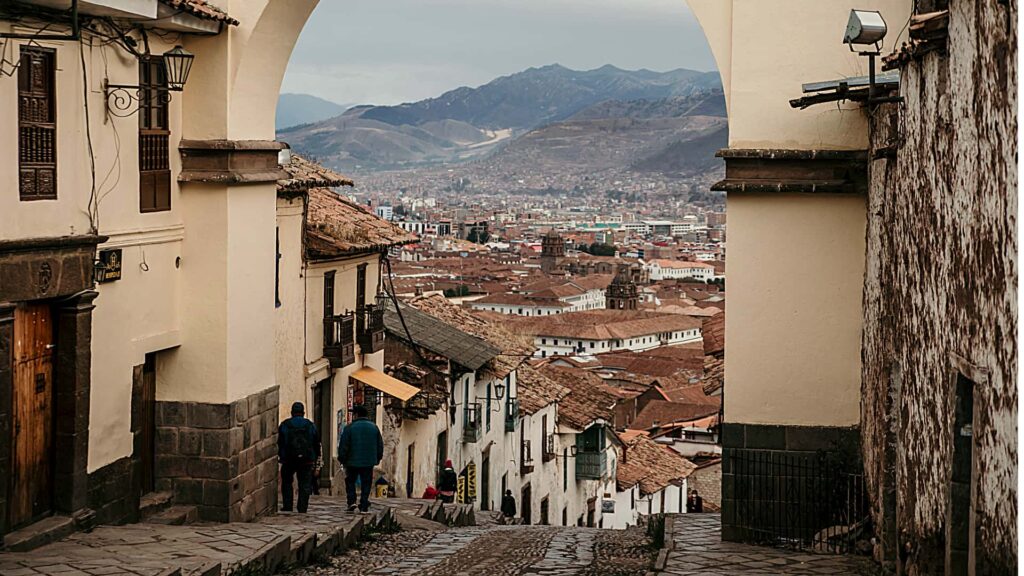
Welcome to our comprehensive Cusco Travel Guide. Cusco, the historic capital of the Inca Empire, remains a city of profound history and vibrant culture. Nestled high in the Andes, this city offers a unique blend of ancient foundations and colonial architecture. Consequently, every traveler feels the mystical energy while walking its cobblestone streets. Whether you visit before heading to Machu Picchu or explore the city itself, this Cusco Travel Guide ensures an unforgettable experience.
Furthermore, we at Machu Picchu Mountain Tours pride ourselves on showcasing the hidden gems of this Andean jewel. The city serves as more than just a gateway to the Sacred Valley. Instead, it is a living museum where the past and present coexist harmoniously. In the following sections, our Cusco Travel Guide will highlight the must-see attractions and provide practical advice for navigating this high-altitude capital.
1. Cusco Travel Guide: Plaza de Armas and the Vibrant Heart
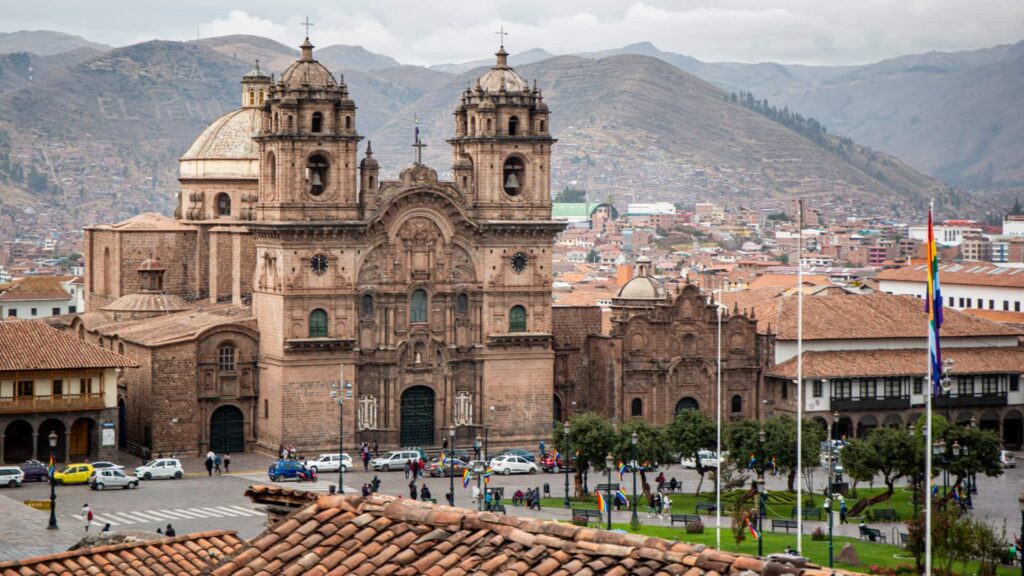
The Plaza de Armas serves as the beating heart of the city. This historic square stands where the Inca Huacaypata once hosted major imperial ceremonies. Today, beautiful colonial buildings and grand churches surround the area. Therefore, it provides the perfect starting point for any exploration within this Cusco Travel Guide. You will find a lively atmosphere filled with both locals and travelers enjoying the mountain sun.
Furthermore, visitors can witness the striking contrast between Inca stone walls and Spanish colonial structures. For instance, the majestic Cusco Cathedral dominates the square with its impressive Renaissance architecture. We highly recommend spending an evening here to watch the city lights flicker to life. The plaza remains a bustling hub where history breathes through every stone and archway.
Highlights of the Plaza de Armas:
- Cusco Cathedral: This magnificent building houses incredible colonial art, including the famous “Last Supper” painting featuring a guinea pig.
- Church of the Society of Jesus: This masterpiece of Andean Baroque architecture stands on the south side of the square.
- Colonial Portales: These covered walkways feature small shops and cafes that offer panoramic views of the entire plaza.
- Local Festivities: The square frequently hosts traditional parades and dances, especially during the Inti Raymi festival in June.
- Photography Spots: The central fountain provides an iconic backdrop for capturing the true essence of the city.
2. Sacsayhuamán: An Essential Stop for Your Cusco Travel Guide
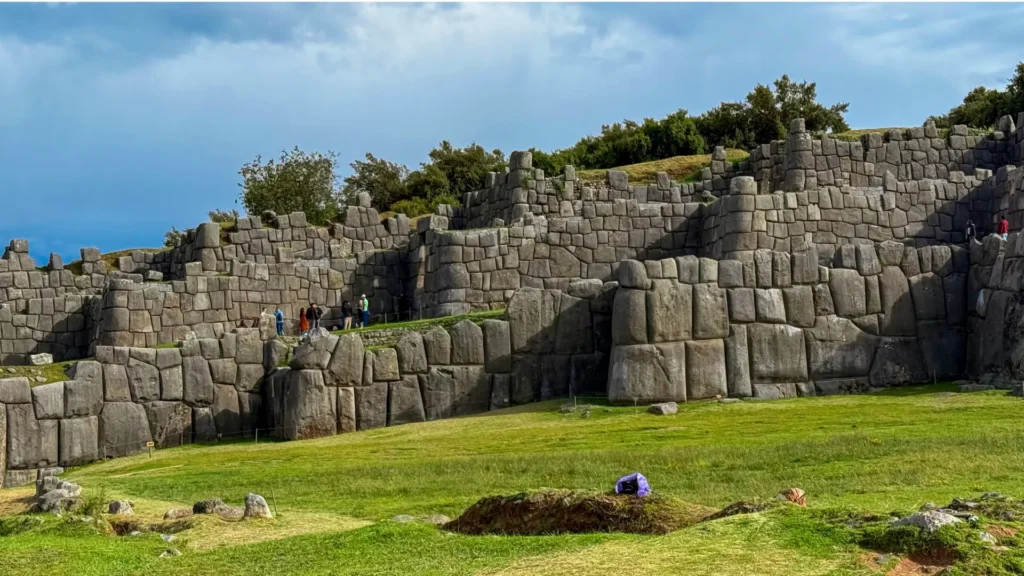
Sacsayhuamán is an impressive Inca fortress that showcases the unparalleled masonry skills of our ancestors. Located on a hill overlooking the city, it features massive stone walls that fit together with surgical precision. These stones, some weighing over 100 tons, remain standing without any mortar. Consequently, it stands as one of the most significant and mysterious archaeological sites in the Americas.
In addition to its historical value, Sacsayhuamán offers breathtaking panoramic views of the red-roofed city below. The site served both as a military fortress and a vital religious sanctuary. Today, it serves as the main stage for the annual Sun Festival. Walking through its zigzagging walls provides a deep sense of the empire’s former power and its spiritual connection to the land.
Essential Experiences at Sacsayhuamán:
- The Zigzag Walls: Explore the three tiers of massive limestone walls designed to represent lightning bolts.
- The Mirador: Walk to the highest point for the best bird’s-eye view of Cusco and the surrounding snow-capped peaks.
- Inca Slides (Suchuna): Visit the natural rock formations that locals and visitors use as natural slides.
- Sacred Altars: Discover the carved stone thrones where Inca royalty once observed sacred ceremonies.
- Hiking Path: Reach the site via a short but steep walk from the San Blas neighborhood to enjoy the fresh mountain air.
3. Qorikancha: The Golden Temple of the Sun
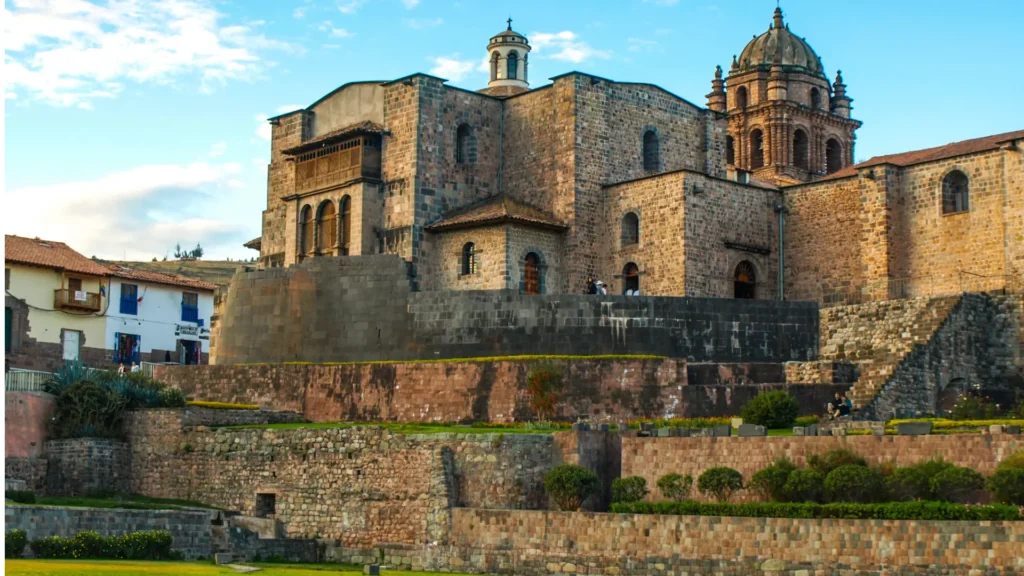
Qorikancha once served as the most important temple in the entire Inca Empire. Dedicated to Inti, the Sun God, historical accounts claim its walls once featured sheets of solid gold. However, after the Spanish conquest, builders erected the Santo Domingo Convent directly atop the temple’s foundations. Consequently, the site offers a fascinating architectural dialogue between two very different civilizations.
Furthermore, the Inca masonry here represents the absolute pinnacle of their craftsmanship. The stones are so finely carved that not even a razor blade can fit between the joints. Visitors can explore the internal chambers dedicated to the Moon, Stars, and Rainbows. This site beautifully illustrates the sophisticated astronomical knowledge and spiritual devotion of the Inca people.
What to See at Qorikancha:
- Celestial Chambers: Explore the remarkably preserved rooms dedicated to the Moon and the Stars.
- Inca Foundations: Observe how the heavy colonial church rests upon the indestructible Inca stonework.
- Solar Clock (Intiwatana): Discover the ancient mechanisms used to track the seasons and solar equinoxes.
- Colonial Art Gallery: View the impressive collection of religious paintings inside the Santo Domingo Convent.
- The Sacred Garden: Enjoy the manicured lawns that once held life-sized golden statues of Andean plants and animals.
4. San Pedro Market: A Sensory Highlight in Your Cusco Travel Guide
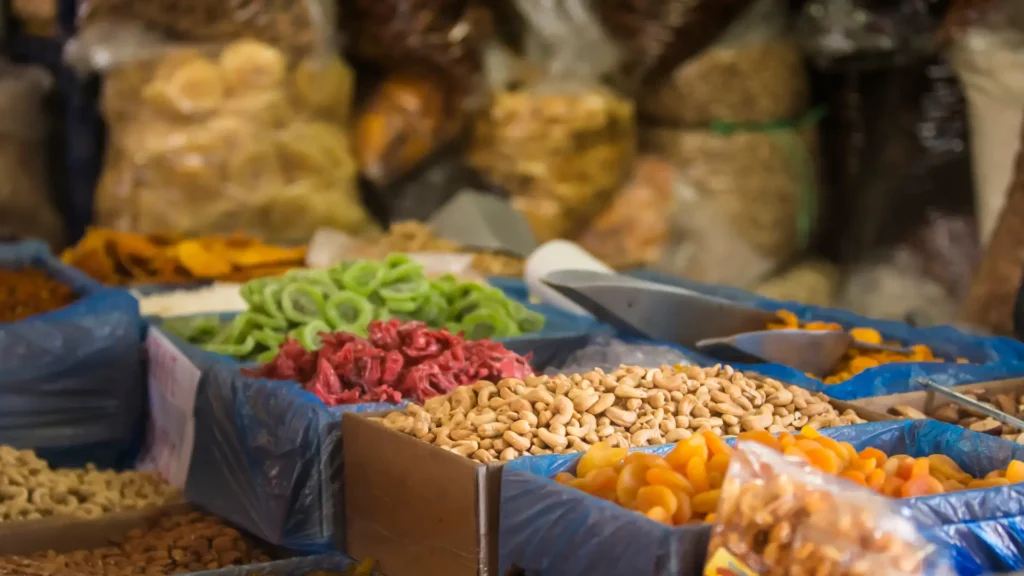
San Pedro Market is a vibrant hub where you can experience the authentic pulse of everyday life in Cusco. Designed by the famous Gustave Eiffel, the market houses hundreds of stalls selling everything from fresh produce to traditional textiles. Therefore, it is the best place to immerse yourself in local flavors and buy unique souvenirs. We at Machu Picchu Mountain Tours often visit this market to sample regional delicacies.
Moreover, the market provides an excellent opportunity to try traditional foods like Caldo de Gallina or fresh tropical fruit juices. You will find rows of Andean cheeses, mountains of colorful corn, and exotic medicinal herbs. Navigating the crowded aisles allows you to witness the living traditions of the Andean people. It is a sensory-rich environment that every visitor should experience at least once.
San Pedro Market Must-Dos:
- The Juice Section: Order a custom blend of fresh Amazonian fruits prepared right in front of you.
- Souvenir Shopping: Find hand-woven alpaca sweaters, colorful textiles, and silver jewelry at local prices.
- Traditional Bread: Try the famous Pan de Oropesa or Chuta, known for its large size and sweet flavor profile.
- Authentic Food Court: Sample local dishes like Lomo Saltado alongside the city’s friendly residents.
- Herbal Medicine: Observe the variety of natural remedies and “magic” plants used in traditional Andean healing.
5. San Blas: The Creative Soul of Cusco
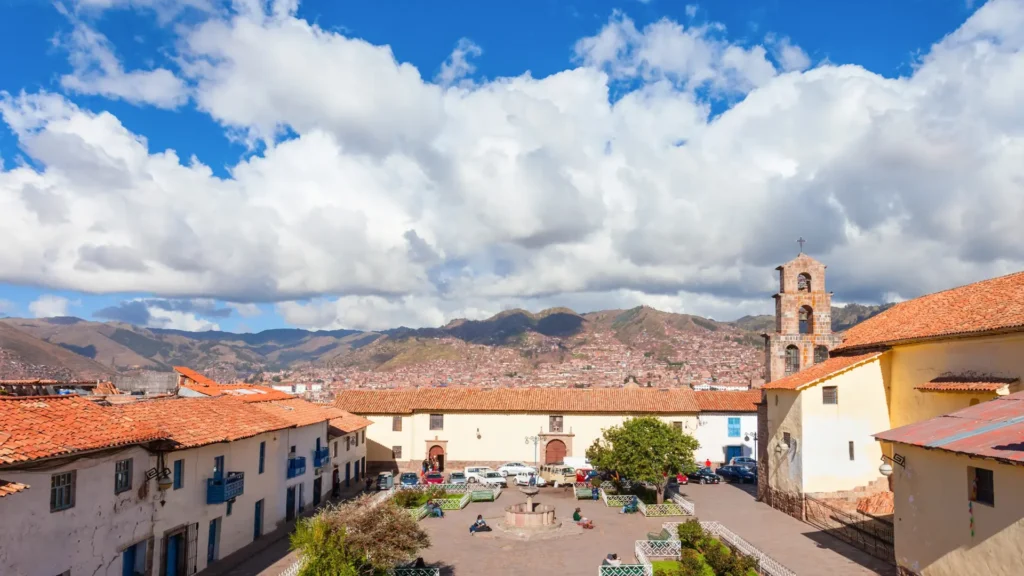
San Blas is a charming neighborhood known for its narrow cobblestone streets and artisan workshops. Traditionally home to Cusco’s master craftsmen, it remains the artistic soul of the city. As you climb the steep hills, you will find hidden plazas, boutique galleries, and cozy cafes. Consequently, it is a favorite spot for those looking to escape the busier parts of the main square.
In addition to its artistic flair, San Blas offers some of the most beautiful views of the Cusco skyline. The neighborhood features iconic whitewashed walls and blue doors, creating a picturesque setting for a leisurely stroll. Be sure to visit the San Blas Church, which houses a famous carved wooden pulpit. Many consider this pulpit a masterpiece of colonial art and woodcarving.
Exploring San Blas:
- 12-Angled Stone: View this marvel of Inca engineering on Hatuñ Rumiyoq Street during your ascent.
- Artisan Galleries: Visit the workshops of the famous Mendívil family, renowned for their religious sculptures.
- San Blas Plaza: Relax in the quiet square and enjoy the small artisan market held on weekends.
- Hillside Cafes: Stop at one of the many cafes for a coffee with a stunning view of the Andes.
- Bohemian Nightlife: Experience the neighborhood’s lively atmosphere with small bars and live music venues.
6. Navigating the City: Practical Tips for Your Cusco Travel Guide
Navigating Cusco requires a bit of planning due to its high altitude and steep terrain. However, the city is relatively compact, making it very accessible for most travelers. Walking remains the best way to explore the historic center, as many attractions are within short distances. Just remember to walk slowly to allow your body to adjust to the elevation.
Furthermore, for longer distances or reaching hillside sites, Taxis are a convenient and affordable option. Always agree on a price before entering, as taxis in Cusco do not use meters. For a more local experience, you can use the Public Buses (combis), which are budget-friendly but can be quite crowded. No matter how you choose to travel, this Cusco Travel Guide ensures your journey remains pleasant.
Transportation & Safety Tips:
- Altitude Awareness: Avoid strenuous activity on your first day and drink plenty of water or coca tea.
- Official Taxis: Use official taxi companies or reputable apps for better security and fixed pricing.
- Sturdy Footwear: Wear comfortable shoes for the uneven cobblestone streets and frequent staircases.
- Carry Small Change: Keep small bills and coins ready for market purchases and bus fares.
- Offline Maps: Use navigation apps to help find hidden gems in the winding streets of San Blas.
Conclusion
Cusco is a city that captures the essence of Peru’s rich history and culture. Whether you’re exploring ancient Inca ruins, enjoying delicious Peruvian cuisine, or immersing yourself in local traditions, Cusco is a must-visit destination. This Cusco Travel Guide aims to help you navigate every corner with confidence. At Machu Picchu Mountain Tours, we are dedicated to making your visit to the Imperial City unforgettable.
Ready to explore the wonders of Cusco? Book your cultural adventure with us today and let the magic of the Andes inspire you!