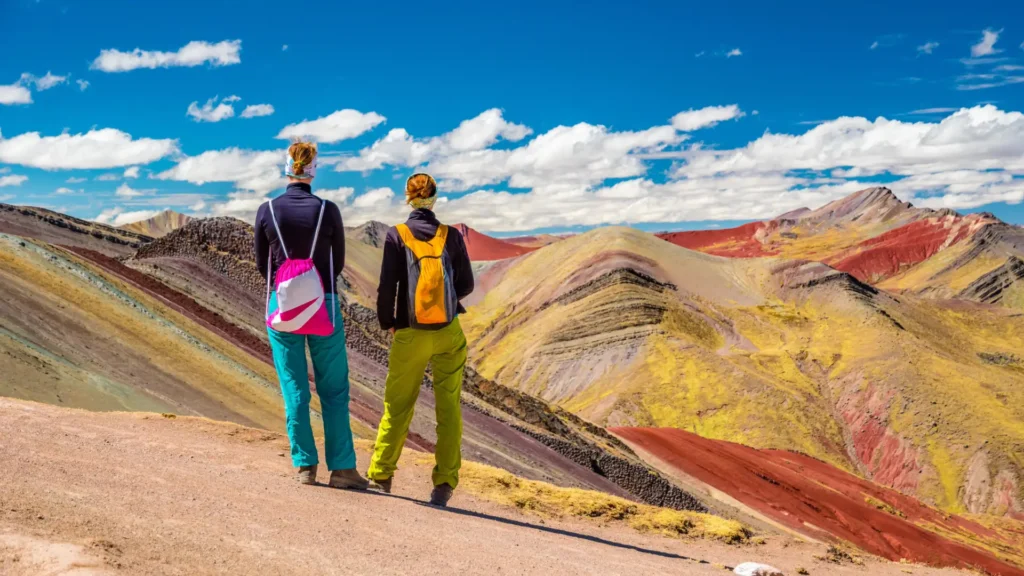
Many travelers dreaming of the Peruvian Andes often find themselves overwhelmed by the massive crowds at the traditional Rainbow Mountain. However, a superior and more serene alternative has emerged for those who prefer an authentic connection with nature. Therefore, choosing a Palccoyo Mountain experience is not just about seeing colors; it is about reclaiming the peace of the high mountains.
In this guide, we will explore why the Palccoyo rainbow mountain tour in Cusco has become the preferred route for savvy adventurers who value comfort and solitude over “tourist traps.”
1. What is the Palccoyo Mountain and why is it unique?
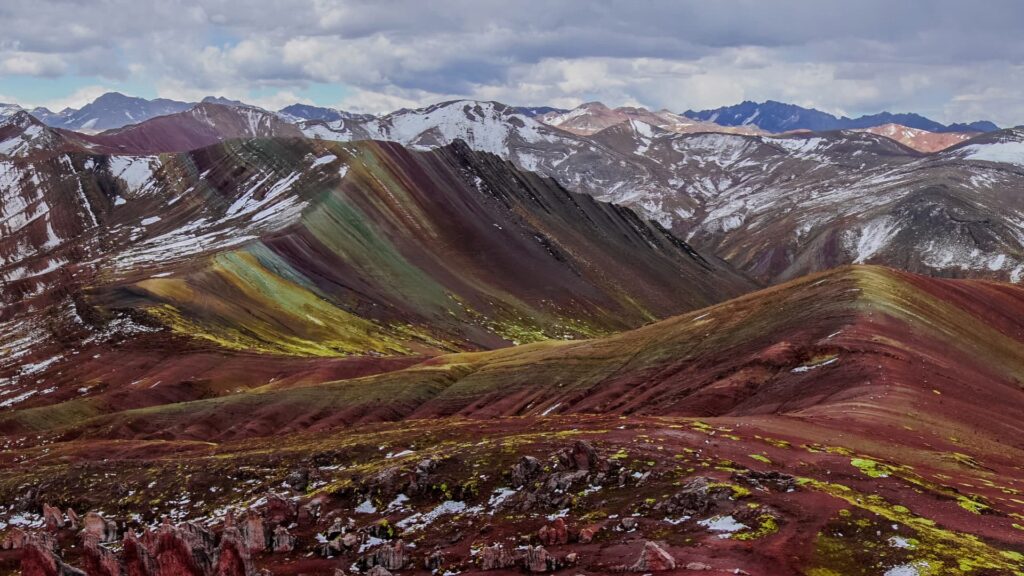
Unlike the singular peak found in Vinicunca, this geological wonder offers a much broader spectacle. Specifically, when you arrive at this destination, you are greeted by an entire range of colored hills. This occurs because the mineral composition is spread across a wider area. Consequently, the visual impact is more immersive, making Palccoyo Mountain a true paradise for photography enthusiasts and nature lovers alike.
Furthermore, the atmosphere here is noticeably different. Because fewer travelers know about this route, the trails remain quiet and pristine. Instead of fighting for a spot to take a photo, you can sit in silence and observe the Andean landscapes in their purest form.
Exploring the “Three Rainbows” of the Andes
One of the most remarkable features of this tour is that you don’t just see one rainbow; you see three. These distinct ridges display vibrant stripes of ochre, turquoise, and lavender that seem to shift as the sunlight moves across the sky.
In addition to the visual variety, the walk between these viewpoints is relatively flat. This means you can spend more time admiring the Three Rainbows and less time struggling for breath. Truly, “this is nature’s way of rewarding those who seek the path less traveled.”
The surreal beauty of the Stone Forest
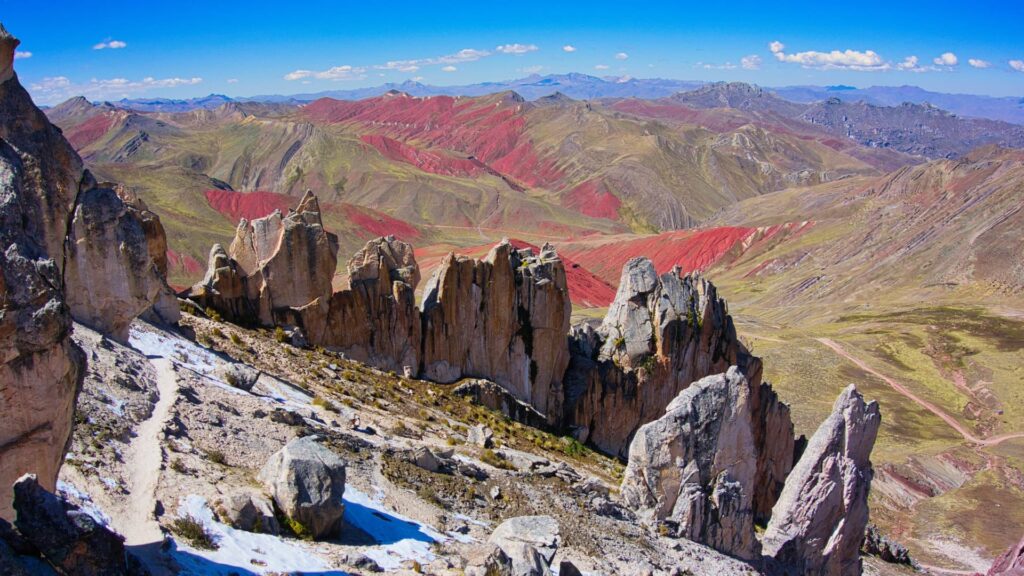
As if the colored mountains weren’t enough, the area also hosts a prehistoric wonder known as the “Bosque de Piedras” (Stone Forest). These jagged, vertical rock formations were created by thousands of years of erosion. Walking through this natural labyrinth feels like stepping onto another planet.
Moreover, these towering stones provide a dramatic contrast to the soft, colorful slopes nearby. It is an essential stop for anyone on a Palccoyo Mountain tour, offering a unique perspective on the raw power of geological time.
Geological wonders: The science behind the colors of Palccoyo Mountain
Many visitors wonder how these hills obtained such impossible hues. The answer lies in a complex mix of minerals that have oxidized over millions of years. For instance, the deep reds come from iron oxide, while the bright yellows are a result of iron sulfide.
Because these layers were buried for eons and only recently exposed by melting glaciers, the colors remain incredibly vivid. Nevertheless, to appreciate these geological formations fully, it is best to visit when the sun is high, as the light reveals the subtle differences between each mineral layer.
2. How to prepare for your Palccoyo rainbow mountain tour in Cusco
Preparing for high-altitude exploration requires a mix of physical readiness and smart planning. Although the trail is significantly easier than other routes, you are still operating at nearly 5,000 meters above sea level. Consequently, your body will experience less oxygen than usual, even during a gentle walk.
By taking the time to organize your logistics beforehand, you ensure that your focus remains on the breathtaking scenery rather than physical discomfort. Most travelers find that a successful Palccoyo rainbow mountain tour in Cusco starts long before they actually step onto the trail.
Mastering the altitude: Timing and acclimatization
The golden rule for any Andean adventure is “respect the height.” We recommend spending at least two to three days in Cusco to allow your lungs and heart to adjust. During this time, you should prioritize hydration and light meals to keep your energy levels stable.
Furthermore, timing your visit during the day is crucial. Most tours depart early in the morning to beat the afternoon winds that can chill the high ridges. If you arrive early, the light is often softer, providing a much better palette for your photographs.
Essential gear for a successful high-altitude trek
To stay comfortable, you must dress in layers. The weather in the mountains can shift from blazing sun to freezing gusts in a matter of minutes. Therefore, a high-quality windbreaker and a thermal base layer are non-negotiable items for your packing list.
Additionally, don’t forget these specific items:
- Footwear: Sturdy hiking boots with good ankle support.
- Protection: High-SPF sunscreen and polarized sunglasses to combat the intense mountain UV rays.
- Hydration: At least two liters of water mixed with electrolytes.
The best seasons to visit for crystal-clear views
While the mountains are beautiful year-round, the dry season—running from May to September—is undoubtedly the best time to visit. During these months, the skies are a deep, cloudless blue, which makes the colors of Palccoyo Mountain appear even more vibrant.
On the other hand, the rainy season (December to March) brings a different kind of magic, as the valleys turn incredibly green. However, clouds may occasionally obscure the peaks, so check the weather forecast carefully before booking. Ideally, aim for the “shoulder months” of April and October if you want to find the perfect balance between mild weather and few tourists.
3. The 3 best reasons to choose Palccoyo over Vinicunca
Deciding between two legendary natural wonders can be challenging for any explorer. However, when we analyze the overall quality of the experience, Palccoyo Mountain consistently emerges as the superior choice for those seeking authenticity. While Vinicunca holds the title for being the “original” site, its fame has led to extreme overcrowding that often detracts from the spiritual power of the Andes.
In essence, choosing the lesser-known path is the ultimate “smart traveler move.” Not only do you get a better visual variety, but you also participate in a more sustainable form of tourism that preserves the serenity of the highlands.
Peace and quiet: Avoiding the massive tourist crowds
One of the most profound benefits of this route is the silence. Imagine standing at almost 5,000 meters and being the only person in sight. Because this location is still a “hidden gem,” you won’t have to wait in line for hours just to take a single photograph.
As a result, the connection you build with the landscape is much deeper. Instead of being surrounded by hundreds of shouting tourists, you are free to meditate or reflect while staring at the vastness of the Cordillera. For many, this solitude is the most valuable part of the entire journey.
Maximum reward with minimal physical effort
We often describe this adventure as the “High Reward” trek because the ratio of effort to beauty is unparalleled. While other rainbow peaks require a grueling three-hour uphill climb, the trail at Palccoyo Mountain is mostly flat and takes less than an hour to complete.
This accessibility allows you to enjoy the views without feeling completely exhausted. Specifically, it makes the tour inclusive for people of different fitness levels, ensuring that [older adults or families](Enlace Externo) can witness the magic of the Andes together. By saving your energy, you can spend more time exploring the Stone Forest or chatting with your guide.
An authentic connection with local Andean communities
Finally, this route offers a unique window into the traditional way of life in the mountains. Because the area is not yet fully commercialized, the interactions with local families feel genuine and respectful. You might see local shepherds tending to their alpacas or witness ancient agricultural techniques still in use today.
“Walking through these lands feels like traveling back in time,” as many of our guests say. By visiting Palccoyo Mountain, you are supporting these smaller communities directly, helping them maintain their traditions while protecting the natural environment they call home.