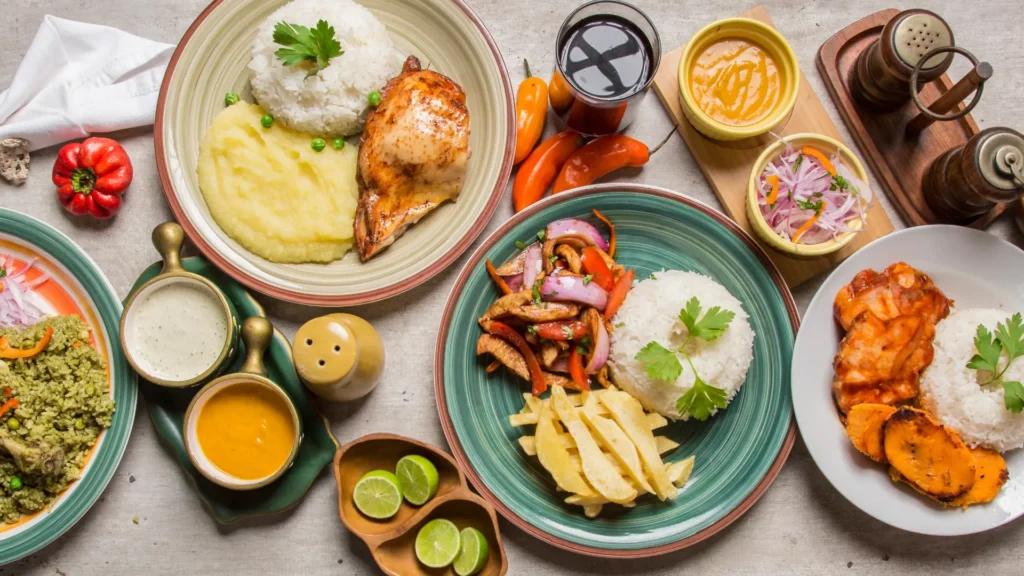
Peruvian cuisine is much more than a means of sustenance. It is a living language that narrates millennia of history, adaptation, and passion. Consequently, critics internationally recognize Peru as a premier culinary destination. The country frequently wins the “World’s Leading Culinary Destination” at the World Travel Awards. In addition, Peru’s blessed geography makes this evolution possible. Our landscapes range from the nutrient-rich Pacific waters to the towering peaks of the Andes and the lush Amazon rainforest.
Therefore, we at Machu Picchu Mountain Tours believe that a journey to our homeland requires a deep dive into its flavors. Food in Peru acts as a ritual that binds families and generations together. In this extensive guide, we will explore secret ingredients and ancestral techniques. We will also examine the modern fusions that turned Lima into a global gastronomic capital. Join us as we explore a sanctuary for the world’s most demanding palates.
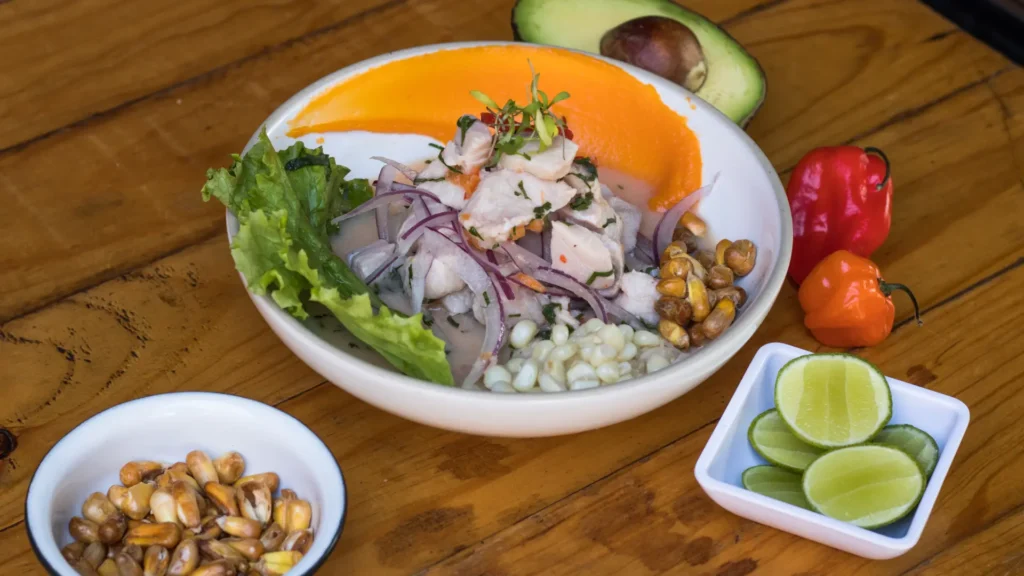
1. Ceviche: The Pacific’s Masterpiece and Cultural Heritage
Ceviche is the global ambassador of Peruvian cooking. This dish consists of fresh fish marinated in citrus juices and represents centuries of refinement. Specifically, its origins trace back to the Moche culture over two thousand years ago. These ancient people consumed fish marinated in the fermented juice of a local fruit called tumbo. Later, Spanish settlers introduced lime and onions. These new ingredients transformed the dish into the refreshing version we enjoy today.
The magic of ceviche lies in extreme freshness. Specifically, the lime’s acidity cures the fish protein through a chemical process. This balance requires the heat of the ají limo and the sharp acidity of northern limes. Each coastal region boasts its own variation. However, every professional “cevichero” follows an unbreakable rule regarding the primary ingredient. They must use the freshest fish to obtain the coveted “Leche de Tigre” (Tiger’s Milk).
Essential Elements of an Authentic Ceviche:
- The Fish: Chefs use firm-fleshed white fish like sea bass or sole. They measure freshness in hours rather than days.
- The Peruvian Lime: This small, green fruit provides the extreme acidity necessary to denature the protein.
- The Ají Limo: This chili provides a floral aroma and a sharp, elegant heat.
- Red Onions: Cooks slice these into fine “feathers” to provide a crisp texture.
- Traditional Garnishes: Sweet potato balances the acidity, while large-grain corn (choclo) and toasted corn (cancha) add texture.
“Expert Note:” The true Leche de Tigre is the citrusy liquid from the marinade. In Peru, people believe it has aphrodisiac properties and consider it a cure for hangovers.
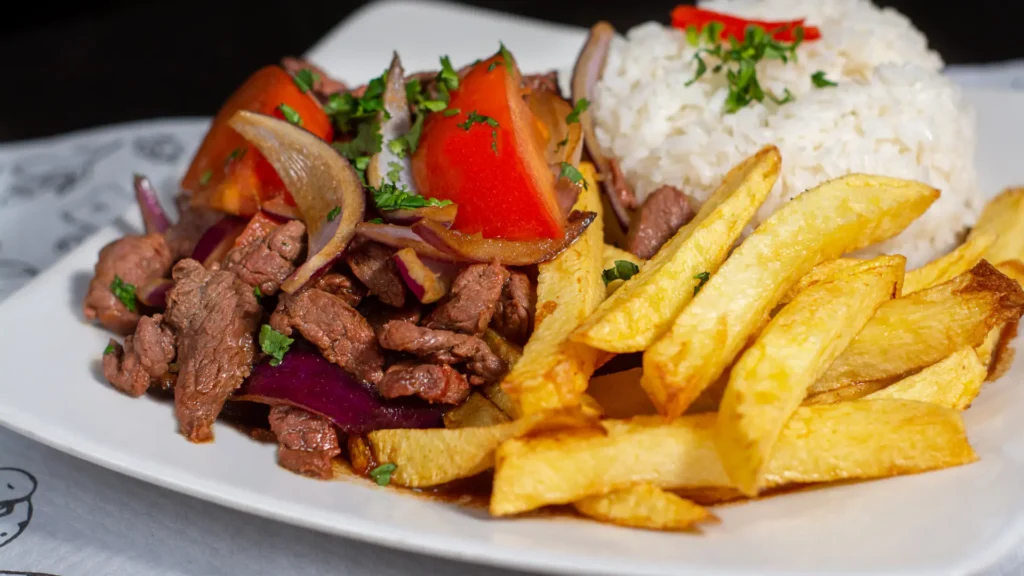
2. Lomo Saltado: The Meeting of Two Worlds in a Wok
Lomo Saltado perfectly embodies “Chifa” fusion. This term describes the blend of Chinese stir-fry techniques and Peruvian ingredients. In the late 19th century, Chinese immigrants brought the wok to Peru. Local cooks quickly adopted these tools. Furthermore, they integrated native tomatoes and ají amarillo with soy sauce (sillao). The result was a robust dish with a distinct smoky flavor that quickly became a national staple.
This dish uniquely combines two different textures and carbohydrates. Specifically, it pairs crispy French fries with fluffy white rice. The “flambé” technique is vital for success. Cooks must sear the beef tenderloin at incredibly high temperatures to caramelize the juices. This creates a rich, dark sauce. Consequently, the fries soak up this sauce, resulting in an explosion of flavor in every bite.
Secrets for a Restaurant-Quality Lomo Saltado:
- The Cut of Meat: Use beef tenderloin cut into thick strips to maintain internal juiciness.
- The Wok: The wok must be smoking hot to achieve the signature smoky char.
- Red Vinegar: A splash of quality vinegar helps deglaze the wok and provides an acidic backbone.
- The Vegetables: Add onions and tomatoes at the very end so they stay crisp.
- Sillao and Oyster Sauce: High-quality soy sauce maintains the authentic Peruvian-Chinese flavor profile.
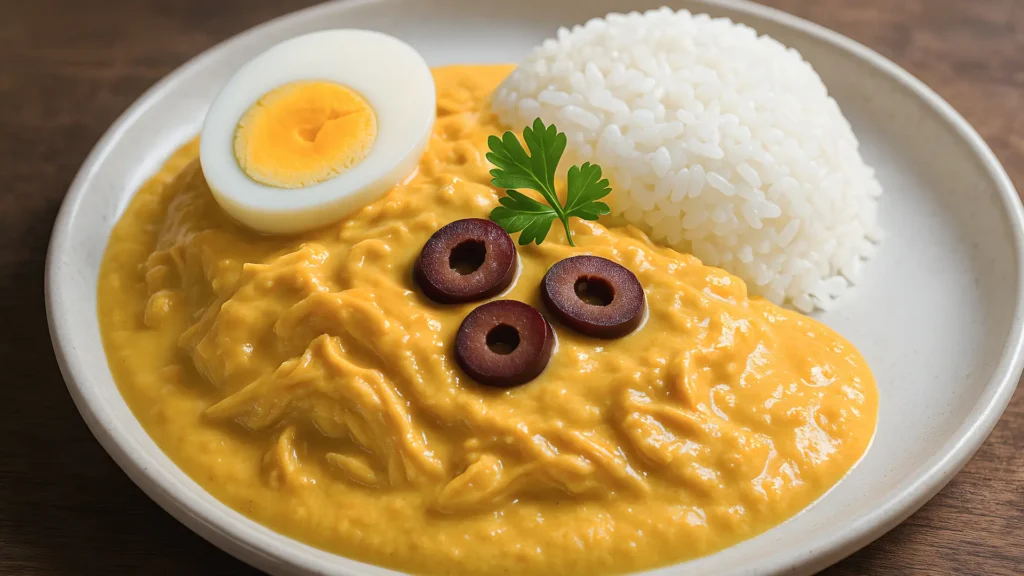
3. Ají de Gallina: Elegant Comfort from the Colonial Era
Ají de Gallina evokes the warmth of a Peruvian home. Its roots are fascinating. Historians believe it evolved from a medieval Spanish dessert called “manjar blanco.” That dish featured shredded chicken, sugar, and almonds. Upon reaching Peru, local cooks swapped the sugar for Ají Amarillo. This change transformed a sweet dish into a savory, velvety cream that delights all ages.
The preparation requires immense patience. Moreover, cooks achieve the creamy base by soaking bread in milk. They then blend this mixture with sautéed yellow chili paste. This stew represents “slow-cooked” cuisine where flavor builds layer by layer. In addition, the dish highlights the versatility of the ají amarillo. This pepper provides a brilliant golden color and a fruity flavor without excessive heat.
Key Ingredients for the Cream Sauce:
- Ají Amarillo: This pepper serves as the “DNA” of Peruvian cooking. Cooks boil and peel it to control heat.
- Hen or Chicken: Traditional recipes call for hen (gallina) because it offers a deeper flavor.
- Walnuts or Pecans: These nuts provide an earthy texture and thicken the sauce naturally.
- Parmesan Cheese: This Italian-influenced touch adds salinity and depth to the cream.
- Classic Accompaniments: Serve with boiled yellow potatoes, white rice, eggs, and black olives.
4. Anticuchos: Street Food with an Afro-Peruvian Soul
Anticuchos are the heart of Lima’s street culture. This dish has deep roots in the era of slavery. During that time, African slaves received the “discarded” organ meats from cattle. With ingenuity, they created a marinade based on vinegar and spices. In fact, they transformed beef heart into a gourmet delicacy. Today, the smoky aroma of anticuchos sizzling over charcoal defines every festival or night out in Peru.
The texture of the anticucho surprises many travelers. Despite being an organ meat, correctly prepared beef heart is extremely tender. It rivals the finest steak but offers a richer intensity. Vendors traditionally serve them on cane skewers. Furthermore, they accompany the meat with a boiled potato and spicy chili sauce. This dish represents the resilience and creativity of the Peruvian people.
The Ritual of the Perfect Anticucho:
- Cleaning the Heart: Workers must remove all fat and sinew to leave only pure muscle.
- The Marinade: The meat rests for at least 12 hours in a mixture of ají panca, garlic, and vinegar.
- Charcoal Fire: The smoke from the charcoal acts as a literal ingredient in this dish.
- The Corn Husk Brush: Cooks use a brush made of corn husks to baste the meat while it grills.
- Huacatay Sauce: A creamy black mint sauce often enhances the earthy, herbal notes.
5. Causa Rellena: History, Patriotism, and the Yellow Potato
Causa is the most visually stunning dish on the Peruvian table. Its name comes from the Quechua word “Kausay,” which means “sustenance.” However, popular history suggests a different origin. During independence campaigns, women prepared this dish to raise funds “for the Cause” (para la Causa). It is a cold dish that celebrates our native potatoes. Specifically, it uses the “Amarilla” variety for its floury texture and delicate flavor.
Preparing a great Causa is an art. The potato mash must be perfectly smooth and seasoned with lime and yellow chili paste. Similarly, the versatility of the Causa allows it to adapt to any budget. Variations range from classic chicken to modern interpretations with crab meat or shrimp. Therefore, it serves as the perfect refreshing starter for a sunny day.
Varieties of Filling and Decoration:
- Chicken Filling: Mix shredded breast with homemade mayonnaise and celery.
- Tuna Filling: This fresh and economical option is very popular in households.
- Crab Meat Causa: This sophisticated version often features salsa golf.
- Avocado (Palta): This mandatory ingredient provides creaminess in the middle layers.
- Garnish: Use hard-boiled eggs, black olives, and red ají limo for color contrast.
“Cultural Note:” Peru grows over 3,000 registered varieties of native potatoes. The Papa Amarilla remains the undisputed queen of the Causa.
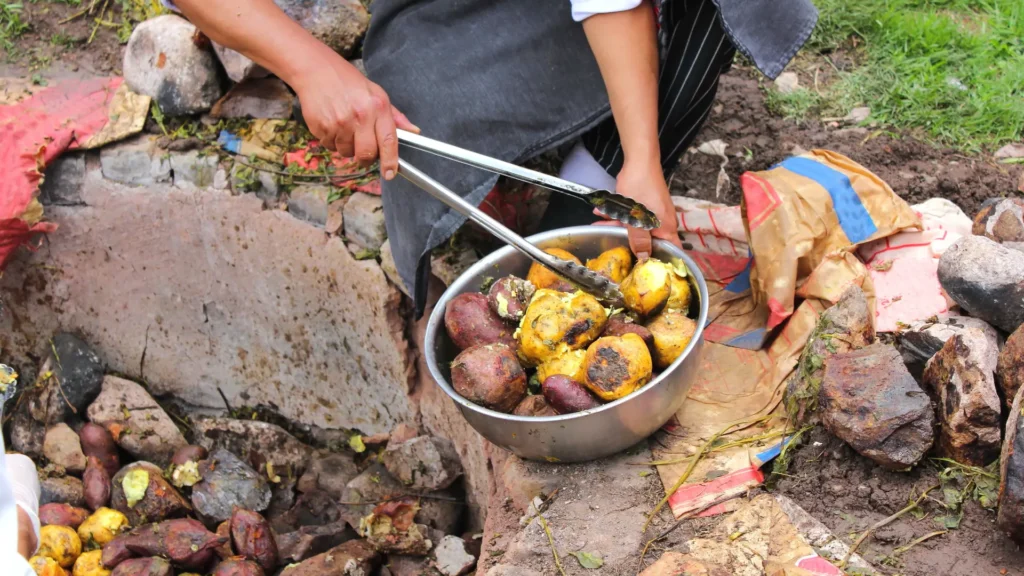
6. Pachamanca: A Banquet from the Earth
Pachamanca is a sacred ritual dating back to the Incas. Its name comes from the Quechua words for “Earth” and “Pot.” This ancestral cooking method involves an underground oven made with hot stones. It functions as a celebration of the harvest. For instance, participants thank Pachamama (Mother Earth) for her bounty. Participating in a Pachamanca is one of the most authentic experiences we offer at Machu Picchu Mountain Tours.
The preparation process is laborious. First, workers dig a pit and heat volcanic stones until they glow red. Then, they place layers of marinated meats and Andean herbs inside. They follow this with potatoes, sweet potatoes, and corn. Finally, they cover everything with banana leaves and earth. The residual heat slow-cooks the food under pressure. Consequently, the food acquires an earthy flavor that modern ovens cannot replicate.
Traditional Components of the Pachamanca:
- Meats: Marinate lamb, pork, chicken, and beef in a green herb paste.
- Tubers: Use native potatoes, sweet potatoes, and sweet oca.
- Humitas: These sweet or savory corn cakes steam inside the earth oven.
- Chincho and Huacatay: These aromatic herbs provide the signature fragrance.
- The Ritual: Participants often perform a “payment to the earth” before sealing the oven.
7. Amazonian Influence: Juanes and Tacacho
The gastronomy of the Peruvian Amazon is a treasure trove of exotic ingredients. The Juane serves as the emblematic dish of the jungle. It represents the head of Saint John and features seasoned rice and jungle chicken. Cooks wrap the mixture in Bijao leaves. Additionally, these leaves provide a rainforest aroma and act as a natural preservative.
Similarly, Tacacho con Cecina demonstrates mastery over the green plantain. Cooks mash roasted plantains with pork rinds to form savory balls. They serve this with “cecina,” which is artisanally smoked pork. These dishes offer an intense flavor palette with smoky and sweet notes. Furthermore, exploring the Amazon allows you to taste fruits like camu-camu and cocona. These fruits form the basis for natural juices found nowhere else.
Gems of Amazonian Gastronomy:
- Paiche: This massive freshwater fish offers white meat considered the “cod of the jungle.”
- Ají Charapita: This tiny yellow chili is extremely spicy and aromatic.
- Inchicapi: This thick chicken soup uses peanuts and cilantro for depth.
- Patarashca: Cooks wrap whole fish in leaves and grill them directly over charcoal.
- Exotic Fruits: Try Aguaje and Camu-camu for high Vitamin C content.
Drinks and Desserts: The Perfect Finale
No gastronomic experience in Peru is complete without iconic beverages. The Pisco Sour is our national cocktail. It features a balanced blend of Pisco, lime, and egg white. Alternatively, Chicha Morada serves as a favorite drink for families. It uses purple corn boiled with pineapple and cinnamon. Therefore, it provides both antioxidant properties and a refreshing taste.
Finally, Peru boasts a baking tradition from the colonial era. The Suspiro a la Limeña features a dulce de leche base and port-infused meringue. In addition, Picarones serve as the quintessential street dessert. These fried rings use squash and sweet potato dough drizzled with spiced molasses. These sweet flavors close a meal that satisfies the adventurous spirit.
List of Must-Try Desserts and Infusions:
- Mazamorra Morada: This jelly-like dessert features purple corn and dried fruits.
- Alfajores: These soft cookies contain delicious dulce de leche.
- Mate de Coca: We at Machu Picchu Mountain Tours recommend this tea for altitude sickness.
- Arroz con Leche: This creamy rice pudding uses orange peel and cinnamon for aroma.
- Craft Beers: Try local beers brewed with quinoa or coffee.
References and Useful Links
To delve deeper into Peruvian cuisine, we recommend checking these specialized sources. They will help you plan your journey with Machu Picchu Mountain Tours:
- PromPerú – Gastronomy: Official site with culinary routes.
- Mistura and the Peruvian Society of Gastronomy (APEGA): An organization promoting Peru’s food heritage.
- UNESCO – Ceviche as World Heritage: Documentation on the cultural importance of Ceviche.
- Machu Picchu Mountain Tours – Gastronomy Packages: Explore our tours designed for food lovers.
Conclusion
Peruvian gastronomy is a never-ending journey. It offers a constant exploration of flavors that challenge the senses. Therefore, we at Machu Picchu Mountain Tours want you to feel the vibrant culture in every plate. Every ingredient tells a story of survival, and every bite serves as an invitation. Learn more about this fascinating country through its food.
Are you ready to taste the magic of Peru? Book your gastronomic adventure with us today and prepare for the best meal of your life!