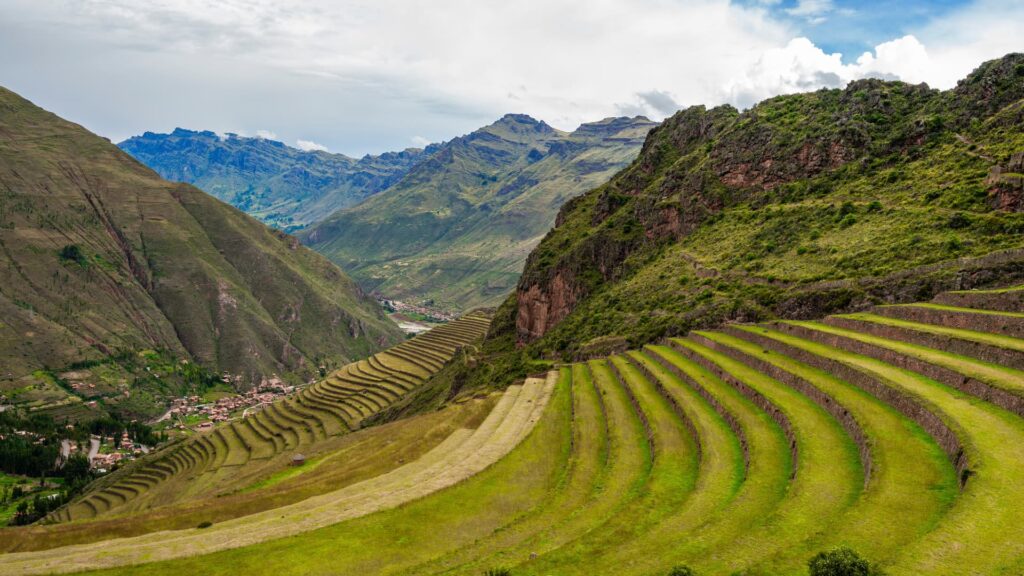
Where are the pisac ruins located, and how can you safely experience them without succumbing to the debilitating effects of altitude? You have spent years dreaming of witnessing the ancient stone citadels of the Andes. You have booked high-end accommodations and prepared for your escape. However, a silent anxiety lingers in your mind as you prepare to ascend above the mountain passes. The prospect of altitude sickness, debilitating migraines, and sudden physical exhaustion can derail your anticipated Peruvian vacation.
Consequently, many travelers spend their first morning in the Sacred Valley confined to a hotel room. They are desperately inhaling thin air while crowded, chaotic tour buses roar past their windows. Furthermore, these travelers often struggle to ascend a single flight of ancient stone stairs. They are frequently forced to abandon their exploration early because their tour company lacks basic medical equipment.
You do not have to jeopardize your health or your peace of mind to experience the legendary historical monuments of the Andes. Discovering the ancient empire can be a seamless, deeply enriching, and physically effortless experience when supported by medical-grade transport systems and elite guides. At Machu Picchu Mountain Tours, we pair expert local historians with premium, oxygen-assisted private vehicles. Therefore, we ensure you experience the region safely, comfortably, and entirely at your own pace.
Where are the pisac ruins: Strategic Geography and Access
Understanding the precise location of these ruins is the foundation of a successful itinerary. Specifically, these archaeological monuments are perched high above the valley floor on a dramatic mountain ridge. This was a strategic position the Incas chose for defensive and religious dominance.
The Geography of the Citadel
The site is located approximately 33 kilometers (20 miles) northeast of Cusco. To reach this destination, travelers must descend into the Sacred Valley, where the Vilcanota River winds through fertile bottomlands. In addition, the modern colonial village of Pisac sits at the base of the mountains, acting as the primary entry point for most tourists. However, the actual archaeological complex clings to the steep ridges directly above this village.
The Challenge of Elevation
Many international travelers plan their trips without realizing the extreme elevation difference between the village and the citadel. The colonial town sits at a comfortable 2,972 meters (9,750 feet). In contrast, the upper sectors of the ruins reach 3,250 meters (10,660 feet). Because of this abrupt altitude gain, walking directly up from the town center puts severe stress on your cardiovascular system. Therefore, our private tours utilize specialized, high-altitude vehicles to bypass this climb, carrying you directly to the upper parking portals. As a result, this strategic access ensures you spend your energy on exploration rather than exertion.
The Architectural Genius of the Pisac Ruins
To understand why this site was constructed on such a precipitous ridge, look past the visual beauty. Historically, this imperial complex served as a multi-functional citadel. It combined defensive military outposts, agricultural research systems, and sacred religious temples.
Imperial Stone Masonry
The architectural precision found at this site rivals that of Machu Picchu. The royal sector features the finest imperial style, utilizing polished, dry-stone masonry blocks that fit together with microscopic accuracy.
Elite Logistics: Safety, Oxygen, and Private Access
Reaching the top of the archaeological complex can be punishing if you choose standard transportation. Mass-market tour groups typically park large buses at the lower city lots, forcing guests to hike up steep, dusty trails in the thin mountain air. Many travelers arrive at the summit gasping for air and suffering from severe fatigue.
The Private Vehicle Advantage
Our private Mercedes-Benz Sprinters utilize exclusive, paved access points to bypass this climb. We drop you off directly at the flat, upper level of the ruins. Consequently, you save your energy for historical discovery.
Oxygen Safety Protocols
The upper plateau of the complex sits at an altitude that can cause a sudden drop in blood oxygen levels ($SpO_2$). To prevent dizziness, headaches, and exhaustion, our private vehicles are equipped with professional, medical-grade oxygen concentrators. We monitor your physical condition throughout the tour. If you require respiratory support, we provide immediate access to dual-port oxygen therapy. This proactive protocol allows you to explore the Andean heights with complete peace of mind.
You can consult the official UNESCO World Heritage registry for Cusco to learn more about the global importance of these protected archaeological parks. Our guides use these historic registers to deliver rich, academic narratives during your walk.
| Comfort Feature | Standard Mass-Market Coach | Machu Picchu Mountain Tours |
|---|---|---|
| Arrival Route | Steep 45-minute uphill hike | VIP drop-off at flat upper ridge |
| Oxygen Safety | None (Basic first-aid kit) | Continuous $SpO_2$ monitoring |
| Itinerary Pace | Rigid, fast-paced (40+ pax) | Fully customized, slow-paced |
| Vehicle | Noisy commercial bus | Private Mercedes-Benz SUV |
| Guide Expertise | Megaphone speeches | Local University Historian |
Restorative Cultural Immersion in the Sacred Valley
Exploring the historic center of the region involves far more than walking through stone temples. High-altitude culinary arts and traditional textile masterclasses offer restorative ways to experience culture without physical exertion.
Andean Gastronomy
However, high elevation slows human digestion significantly because oxygen-deprived organs operate less efficiently. Selecting the correct dining venues is a key step in protecting your physical well-being. Our culinary partnerships focus on elite restaurants that prioritize light, highly nutritious Andean superfoods. Ancient grains like quinoa, kiwicha, and kañiwa are easy to digest and naturally combat altitude fatigue.
Cultural Experiences
We coordinate private cultural and culinary tours in the Sacred Valley that feature private dining reservations. We arrange early lunch seating times, ensuring your body has time to process your meal before you return to your hotel. This scheduling prevents the insomnia and digestive discomfort that often affect tourists dining late in the valley. For a relaxing experience, we coordinate private visits to high-end textile cooperatives. Master weavers demonstrate how they extract dyes from local plants and minerals. You can learn about these methods while sitting in comfortable, cushioned seating.