
You want to arrive at Machu Picchu on foot, but every site gives a different answer on Inca Trail vs Salkantay. The Inca Trail has permits that vanish. Salkantay sounds harder. Lares sounds easier, yet less famous. Choose badly and you could face a sold-out date, a trek that is too steep or a route that misses what you came for.
We are Machupicchu Mountain Tours, a locally owned operator in Cusco that guides all three routes. This comparison of the three routes shows how they differ in difficulty, scenery, permits and arrival, so you can book the one that fits you.
Inca Trail vs Salkantay vs Lares at a Glance
All three end at Machu Picchu, but they feel very different on the way. Here is a quick view before we go deeper.

| Point | Inca Trail | Salkantay Trek | Lares Trek |
|---|---|---|---|
| Typical length | 4 days (also a 2-day version) | 4 to 5 days | 4 days |
| Distance | About 43 km on the classic route | Roughly 70 km | Roughly 30 to 35 km |
| Highest point | About 4,200 m | About 4,600 m | About 4,400 m |
| Permit | Required, limited, sells out | Not limited like the Inca Trail | Not limited like the Inca Trail |
| Scenery | Inca ruins and cloud forest | Snow peaks, lagoons, jungle | Villages, weaving, high lakes |
| Arrival | Through the Sun Gate | By train or road, then the citadel | By train, then the citadel |
Distances and altitudes are approximate and vary by itinerary.
What the Table Tells You
In the Salkantay trek vs Inca Trail debate, the real split is scenery versus history. If history and the classic arrival matter most, choose the Inca Trail. If you want big mountain scenery, choose Salkantay. If you want culture and quiet, choose Lares.
The Inca Trail: History on Foot
The Inca Trail is the classic. You walk stone paths, pass Inca ruins and enter Machu Picchu through the Sun Gate at dawn.
Who It Suits
- Best for: history lovers and travelers who want the iconic arrival
- Fitness: moderate to good, with long climbs and steep steps
- Booking: permits are limited and sell out months ahead
What to Expect
The highest point is Dead Woman’s Pass, at about 4,200 m. Days are long, and camps are simple but well organized. The route closes every February for maintenance. Our Inca Trail tours handle permits, guides, porters and camping equipment, so book as soon as your dates are firm.
Wildlife on the Trail
The Inca Trail crosses cloud forest, so birds and orchids are part of the walk. Learn what to watch for in our guide to Machu Picchu animals. Month matters too, so see Machu Picchu in March for the reopening after February.
Short on Time?
Our Inca Trail 4 days covers the full classic. The Inca Trail 2 days is a shorter option that still ends at the Sun Gate.

Salkantay and Lares: Two Alternatives to the Inca Trail
Salkantay: Big Mountains and Changing Climates
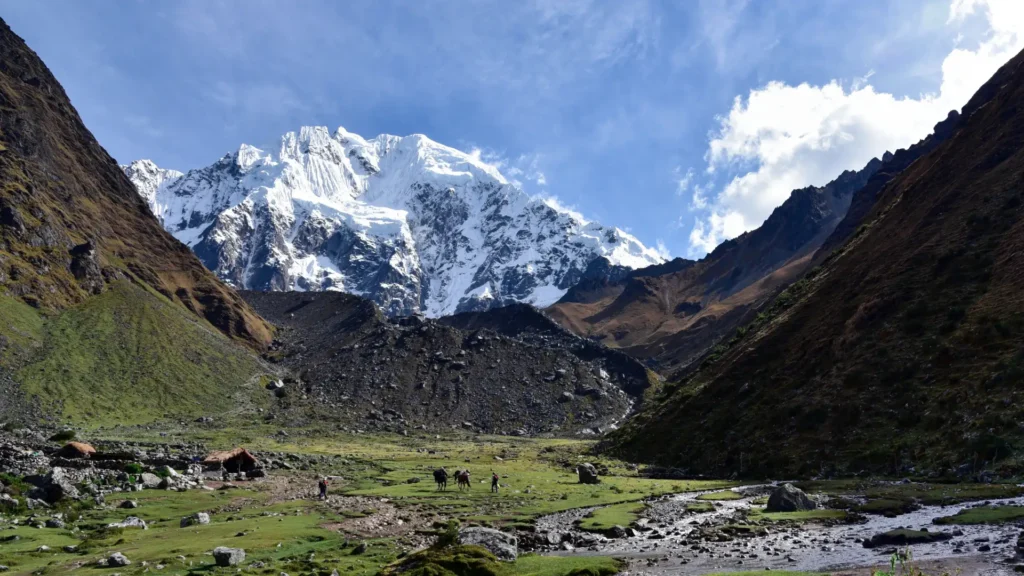
Salkantay is for travelers who want drama, and it is the main rival in any Inca Trail vs Salkantay decision. You cross a high pass beneath a glaciated peak, then descend through cloud forest toward the jungle.
Who It Suits
- Best for: active hikers who love big views
- Fitness: good, with a very high pass and cold nights
- Booking: easier than the Inca Trail, with no permit limits like it
What to Expect
The pass is about 4,600 m, higher than the Inca Trail. Weather swings from freezing to warm in a few days. Many itineraries finish in Aguas Calientes and visit Machu Picchu the next morning.
Choose Your Length
Our Salkantay Trek 5 days gives more time to adapt and enjoy. The Salkantay Trek 4 days suits a tighter schedule.
Altitude and Safe Ascent
Altitude illness can start above roughly 2,500 m. Medical guidelines advise that above about 3,000 m you should limit how much higher you sleep each night, around 300 to 500 m. Salkantay and Lares both cross passes well above 4,000 m, so arriving early in Cusco to adapt is not optional. Spend at least two days in Cusco or the Sacred Valley before you start.
Lares: Culture and Quiet Trails
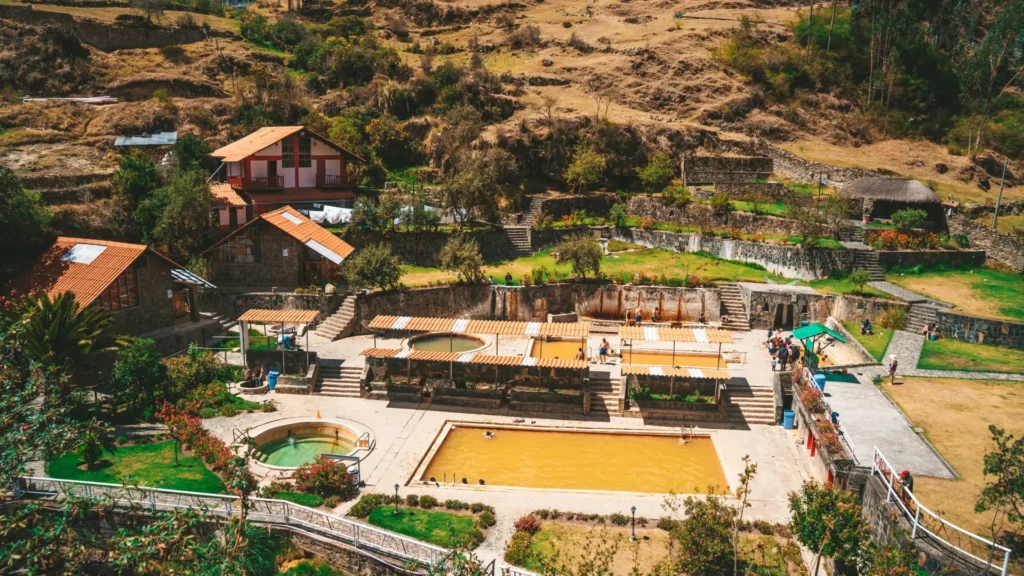
Lares is the quietest of the three. You walk through Andean villages, meet weavers and see high lakes, usually with far fewer trekkers around you.
Who It Suits
- Best for: travelers who want culture, fewer crowds and a gentler pace
- Fitness: moderate, with a high pass but shorter distances
- Booking: no permit limits like the Inca Trail
What to Expect
The route passes traditional communities and mountain lakes. It usually finishes with a train ride to Aguas Calientes before Machu Picchu. Our Lares Trek to Machu Picchu is a good fit if you value people and landscapes over ruins.
How to Choose and Prepare
The best trek to Machu Picchu is the one that matches your priorities and your calendar. Then prepare for the altitude and book in the right order.
Choose by Priority
When you compare Inca Trail vs Salkantay, start with what you want to feel on day one: history or mountains.
- Iconic arrival and ruins: Inca Trail.
- Mountain scenery and challenge: Salkantay.
- Culture and quiet trails: Lares.
- Adventure with biking and rafting: our Inca Jungle Trek.
- No time for a long trek: a Machu Picchu 2-day tour.
Check the Season
Dry months give the best conditions, but permits and trains fill early. Read our best time to visit Machu Picchu before you set dates. Also review how Machu Picchu train tickets work, since many treks end with a train.
Prepare for the Altitude
Read about Cusco elevation and Cusco acclimatization. Give yourself at least two days in Cusco before any trek.
What a Typical Day Feels Like
Knowing the rhythm of a trek day helps you decide whether it suits you.
- Wake-up: early, with hot tea or coffee delivered to your tent or room.
- Walking: five to eight hours, with regular stops for photos and rest.
- Lunch: a hot meal at a scenic spot, prepared by the support team.
- Camp: arrive in the afternoon, rest, then a warm dinner and early sleep.
The Inca Trail has steep stone steps. Salkantay brings the coldest nights. Lares has the most time in villages. In every case, a steady pace beats speed.
What to Pack for Any of the Three
- Layers: a warm fleece, a waterproof jacket and quick-dry shirts.
- Footwear: broken-in hiking boots and spare socks.
- Protection: sunscreen, a hat and lip balm for strong high-altitude sun.
- Small items: a headlamp, a refillable bottle and your passport.
Pack light, because a lighter bag makes every climb easier. Ask your operator which items they supply, such as camping equipment, before you buy anything.
Which Trek for Which Traveler
If you are still undecided, this quick guide may settle it.
- First big trek, good fitness, loves history: Inca Trail.
- Experienced hiker, wants views and a challenge: Salkantay.
- Wants culture, quiet trails and a gentler pace: Lares.
- Wants variety and activities beyond walking: Inca Jungle.
- Short on time or traveling with young children: a shorter tour instead of a full trek.
Be honest about your fitness and your calendar. A trek that matches both is the one you will enjoy and finish with energy to spare at Machu Picchu.
Compare Two Ways to Trek
| Point | Typical large-group trek | Machupicchu Mountain Tours |
|---|---|---|
| Group size | Large groups, crowded camps | Small groups |
| Guides | Fixed pace, limited support | Expert bilingual guides |
| Altitude care | Basic briefing | Altitude-aware planning and first aid support |
| Logistics | Extras billed on the way | Permits, camping gear and meals handled on most treks |
| Flexibility | Rigid schedule | Local team adjusts to weather and group pace |
For the full planning picture, return to our Machu Picchu travel guide and our list of things to do at Machu Picchu.
Frequently Asked Questions (FAQ)
Which trek is the easiest?
Lares is usually the gentlest, with shorter distances and slower days. The Inca Trail and Salkantay are tougher.
- Lares has shorter daily distances.
- Salkantay crosses the highest pass.
- The Inca Trail has long stone staircases.
Pick the trek that matches your fitness, not your ego.
Is the Inca Trail harder than Salkantay?
Salkantay is higher and colder, while the Inca Trail has steady steps and long days. Difficulty depends on you.
- Salkantay reaches about 4,600 m.
- The Inca Trail peaks near 4,200 m.
- Both need good fitness and preparation.
Train with long hill walks for several weeks before you go.
Do I need a permit for Salkantay or Lares?
Not like the Inca Trail, which has a limited daily quota. Your operator handles the details.
- The Inca Trail permit sells out months ahead.
- Salkantay and Lares have no such quota.
- You still need entrance tickets for Machu Picchu.
Book Machu Picchu entry as soon as your dates are firm.
Which trek has the best views?
Salkantay has the most dramatic mountain scenery, while the Inca Trail mixes ruins and cloud forest.
- Salkantay shows glaciers and lagoons.
- The Inca Trail shows Inca sites.
- Lares shows villages and high lakes.
Choose by the view you picture, not by the name.
How long should I stay in Cusco before trekking?
At least two days, ideally three, to adapt to the altitude before a pass above 4,000 m.
- Cusco sits near 3,400 m.
- Sleep lower in the Sacred Valley if you can.
- Avoid heavy meals and alcohol on day one.
Rest first and trek second.
What is the best month to trek?
The dry season, from May to September, offers the clearest weather and the safest trails.
- The Inca Trail closes in February.
- The wet season brings mud and cloud.
- Dry months need the earliest booking.
Pick May or September for fewer crowds and good weather.
Do I need to be very fit?
You need good general fitness, but you do not need to be an athlete.
- Walk or hike weekly for several weeks.
- Practice with a loaded daypack.
- Choose Lares if you want a gentler option.
Start training at least two months before your trek.
Are porters and camping gear included?
On our organized treks, support and camping equipment are handled by our team, but check each itinerary.
- Confirm what the price includes.
- Bring your personal gear and a daypack.
- Ask about sleeping bag rental.
Read the inclusions before paying.
Can I do a trek with kids or older travelers?
Yes, with the right choice. Shorter or gentler routes suit families and older travelers best.
- The Inca Trail 2 days is shorter.
- Lares is gentler than Salkantay.
- Check age and fitness limits with the operator.
Ask us for a recommendation before you book.
What if I get altitude sickness on the trek?
Tell your guide at once. Early action keeps symptoms from getting worse.
- Descending is the most effective step.
- Rest, water and light food help mild symptoms.
- Do not hide how you feel.
Speak up early; guides have seen it before.
